Nigerian Economy: Business activities rebound, as employment declines-Report
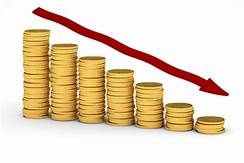
After three successive months of decline, both business activity and new orders increased in July, but the advent of COVID-19 virus pandemic has led to a further reduction in employment generation in Nigeria, latest Stanbic IBTC Nigeria Purchasing Managers’ Index (PMI) report has revealed.
The report also said that the Nigerian private sector has returned to expansion in July, due to the recent surge in prices extended into the second half of the year, with overall input prices rising at the sharpest pace in the survey’s history.
The PMI survey, showed that there was an improvement in business conditions in July, as against the previous month.
“The headline PMI posted 50.4 in July, up from 46.4 in June and above the 50.0 no-change mark for the first time since March. That said, the reading signalled only a slight improvement in business conditions following a severe downturn due to the COVID-19 pandemic.
“Signs of improving demand was central to the strengthening of business conditions. New orders increased for the first time in four months. Business activity also returned to growth for the first time since March on the back of higher new orders and an easing of the lockdown. That said, the PMIexpansion in July was relatively modest”, it stated.
Commenting, Economist at Stanbic IBTC Bank, GbolahanTaiwo said that the business activities in the Nigerian private sector returned to expansion territory for the first time since March as output and new orders improved.
According to him, the PMI rose to 50.4 in July from 46.4 in June. Recall the Nigerian government started to ease the Covid-19 containment measures in early May and that has brought about some resumption to economic activities albeit slowly.
“The output and new orders sub-index expanded for the first time in four months at 52 and 52.5 respectively. Although we expect business activities in the Nigerian private sector will continue to improve over the coming months, the overall economy will likely still fall into a recession as some parts of the economy, particularly the services sector will still struggle to recover perhaps until a vaccine is found.
“Also, despite the expected quarter-on-quarter growth, the higher base from last year will ensure a year-on-year contraction. On a negative front, the Employment index remains below the expansion mark of 50 for the fourth consecutive month as companies continue to reduce staffing owing to Covid-19 disruption to economic activities”, he said.
About The Author