EndSARS Unrest: Private sector expands as output decline in November
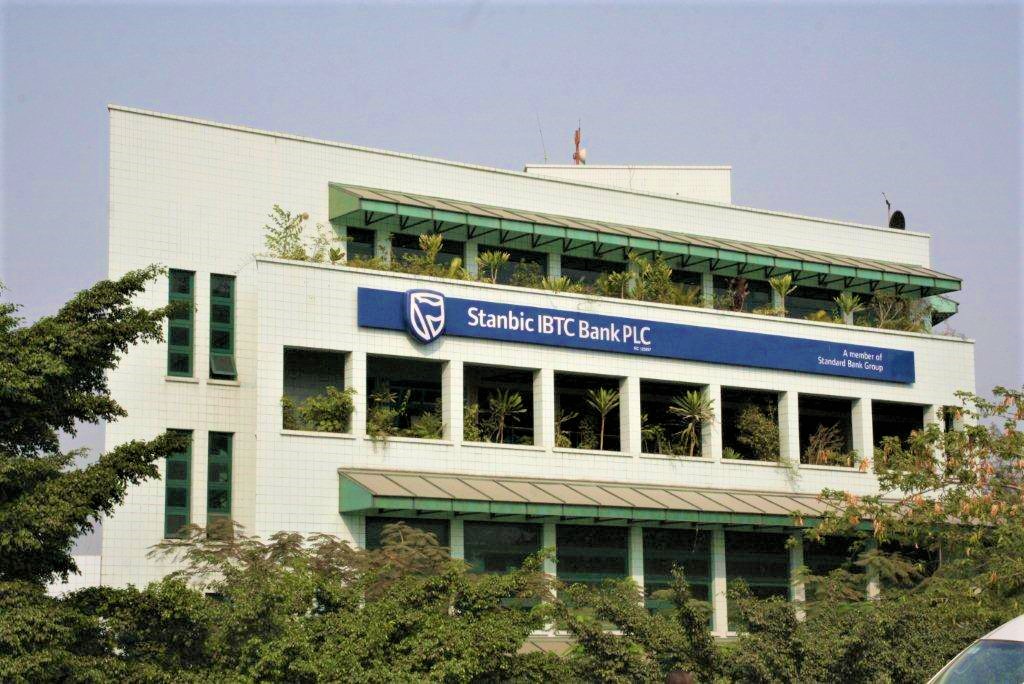
Despite the recent protests that led output to contract for the first time in five months, the Nigerian private sector has remained in growth territory, the Purchasing Managers’ Index (PMI) report by Stanbic IBTC has revealed.
The latest PMI report indicated that the rate of expansion in new orders softened, while companies continued to raise purchasing activity and employment in line with rising new order inflows.
It also showed that higher staffing allowed firms to reduce the level of outstanding business for the sixth month running, while vendor performance improved in November.
Similarly, firms remained optimistic about output in the year ahead with plans to upgrade software and expand operations often cited by firms.
On the price front, inflationary pressures remained marked. Overall input costs increased amid higher raw material costs and currency weakness. Firms often chose to pass on higher cost burdens with average output prices increasing substantially.
The report emphasised the improvement in business conditions during the previous month, compared to November.
PMI output registered at 50.9 in November, down from 53.5 in October but signalling another expansion in the Nigerian private sector. That said, the latest increase pointed to a significantly softer rate of growth, and one that posted below the long-run average.
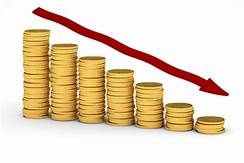
Output fell for the first time in five months during November. Anecdotal evidence overwhelmingly linked the latest decline to recent civil unrest and country-wide protests. New orders continued to rise, however, with a solid expansion recorded in November.
In response to rising new business inflows, Nigerian private sector firms increased their workforce numbers solidly. Some firms mentioned re-hiring staff that were made redundant during the second quarter downturn. The rise in workforces contributed to a further reduction in outstanding business.
Despite the rate of growth softening from October’s eight-month high, buying activity continued to rise in November. Respondents commonly linked higher purchasing to rising new orders.
Average cost burdens faced by Nigerian private sector firms rose in the latest survey period. Firms often linked inflation to higher raw material costs. Companies continued to pass on part of the cost burden to customers by raising output charges.
Finally, business confidence remained positive overall as firms continue to foresee a rise in output in the next 12 months. That said, sentiment remained weak compared to the historical average, with considerable uncertainty remaining around the year ahead.
Private sector output in Nigeria fell in November, reversing four months of expansion. The rate of decline was marginal overall but contrasted with the solid growth rates seen in recent months.
Some panellists reported an increase in output levels following improving demand conditions, but this was outweighed by those firms that saw activity impacted by recent protests.
November data, also pointed to the fifth successive rise in new orders placed at Nigerian private sector firms. According to panellists, greater client demand and new business win contributed to the increase. That said, the latest expansion was the softest in four months, and softer than the series average.
About The Author