Nigeria Is Targeting Zero-carbon Shipping By 2050, Says Sambo
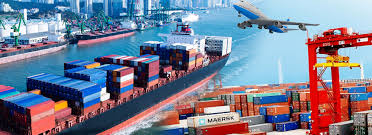
The Federal Government has said that Nigeria is targeting zero-carbon shipping by 2050.
The Minister of Transportation, Mu’azu Sambo said this at the World Maritime Day celebration in Lagos recently. He said that Nigeria is duty bound to contribute to global efforts to ensure a safer environment in all sectors, including shipping.
According to Sambo, the need for new technology to drive the maritime sector has become imperative, hence all hands must be on deck to support a green transition of the maritime industry into a sustainable future.
“A green future equally implies the commitment by the private sector, to invest in more modern platforms and assets, which will meet the emission levels of the future.
“It is against this backdrop that I earlier stated my commitment to the actualisation of the Cabotage Vessel Financing Fund (CVFF), which I am convinced will offer a veritable platform for the acquisition of newer vessels by our indigenous operators.
“A greener and the sustainable maritime industry is achievable if we work together in partnerships in the formulation and implementation of our roadmap for the maritime sector in Nigeria and globally,” he said.
The Minister of State for Transportation, Mr Ademola Adegoroye, said to attain greener shipping, it was imperative that new technologies be embraced through aggressive technology transfer, research and development, innovations and partnership.
Adegoroye said if stakeholders from both public and private sectors in the maritime industry worked together, a greener shipping regime would be attainable.
“The topic is also relevant in addressing specific aspects of the United Nations Sustainable Development Goals (SDGs).
“It is relevant particularly on SDG 9, 13, 14 and 17 on the industry, innovation and infrastructure, climate action, sustainable use of the oceans, seas and marine resources and the importance of partnership and implementation to achieve the goals,” he said.
Dr Taiwo Afolabi, Founder of SIFAX Group, pointed out that addressing the impact of burning fossil fuel, be it in ships or power stations, though global, must be addressed at the national level.
Afolabi represented by Capt. Ibraheem Olugbade, Executive Director at SIFAX Group, added that environmental damage was not discriminatory, as it affected the rich and not-so-rich, old and young and those who could not afford basic healthcare.
“It is expected that the federal ministry of transportation and her agencies should lead, while stakeholders across the maritime sector collaborate in finding solutions for the future.
“Also finding solutions for renewable fuel productions for the shipping industry for a greener, more equitable and more sustainable maritime future,” he said.
About The Author