Rail Connectivity Issues: Apapa Port, Only Port Linked by Rail for Cargo Evacuation-NRC
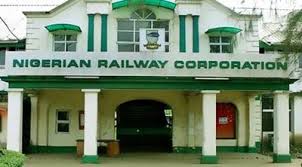
The Nigerian Railway Corporation (NRC) has revealed that, as of now, only Apapa Port in Lagos is connected by rail for cargo evacuation to the hinterland. This connectivity issue leaves other major ports, including Tin-Can Port, Lekki Port, Onne Port, Warri Port, and Calabar Port, without rail access.
Oshinowo noted that additional charges imposed by terminal operators at Apapa Port are a significant barrier to increased rail use. These charges often lead importers to choose road or barge transport over rail. “If these seaport charges could be removed, we would see a significant increase in the amount of cargo moved by rail from Apapa Port,” he stated.
He highlighted that the current cost structure includes incidental charges for cargo movement, which the NRC believes should be addressed by the NSC. “The cost of rail services at Apapa Port is impacted by double handling fees and additional charges imposed by terminal operators, both at the loading and offloading points,” Oshinowo explained.
The NRC has limited control over these additional costs, which are not applied to road or barge transport. Oshinowo criticized the imposition of extra charges specifically on rail-bound cargoes, which he argues makes rail haulage less competitive. “We have repeatedly questioned why rail-bound cargoes are subject to extra fees while road and barge transport are exempt,” he said.
The NRC is calling on the NSC to address these issues to enhance the efficiency and profitability of rail cargo transport in Nigeria.
About The Author