Looming Energy Crisis as Nigeria’s Oil Sector Struggles with Production, Investment Challenges
Nigeria could be on the brink of a major energy crisis due to inadequate oil production and external funding constraints.
Analysts warn that without stringent economic fiscal measures, the situation may worsen. Despite recent high oil prices, both Nigeria and Libya have struggled to capitalize on these opportunities.
International oil companies have shifted their focus away from Africa’s traditional oil fields, investing instead in offshore opportunities in places like Namibia. At the same time, competition from U.S. and Russian crude oil in international markets has intensified.
Over the past two years, African oil producers have not seen the expected fiscal benefits from higher energy commodity prices. Challenges such as declining legacy oil output, domestic fuel subsidies, price controls, shifting export markets, and a lack of investment in new field developments have prevented major African oil producers from fully benefiting from the oil price surge in 2022 and the sustained high prices in subsequent years.
A senior fellow and director of the African Program at the Carnegie Endowment for International Peace highlighted in a Financial Times opinion piece that as African oil production declines, the region’s petrostates lack the resources needed to begin their energy transition.
Nigeria, in particular, has seen a significant drop in oil production, with crude output falling by around 1 million barrels per day over the past decade—from about 2.5 million bpd in 2010 to approximately 1.5 million bpd in 2023.
Despite being Africa’s leading oil producer, Nigeria is facing its worst economic crisis in a generation, exacerbated by reforms introduced by President Bola Tinubu last year, which have worsened the cost-of-living crisis.
Nigeria and Libya were sidelined as their oil production declined or halted, with domestic policies and political instability further preventing these countries from benefiting from the oil price surge. In 2022, part of Nigeria’s oil revenue was used to subsidize domestic fuel prices.
Increasing oil production has become a priority for the Nigerian government as a way to boost revenues and foreign exchange reserves.
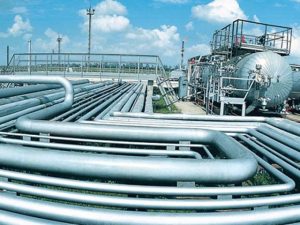
However, issues such as oil theft and pipeline vandalism have long plagued Nigeria’s upstream oil and gas industry, forcing major players out of the country and frequently leading to force majeure at key crude oil export terminals. The combination of vandalism, theft, and a lack of investment has made Nigeria the biggest underperformer in crude oil production within the OPEC+ alliance.
About The Author