Oil Prices Surge as Hurricane Threatens U.S. Gulf Coast Refining Hub
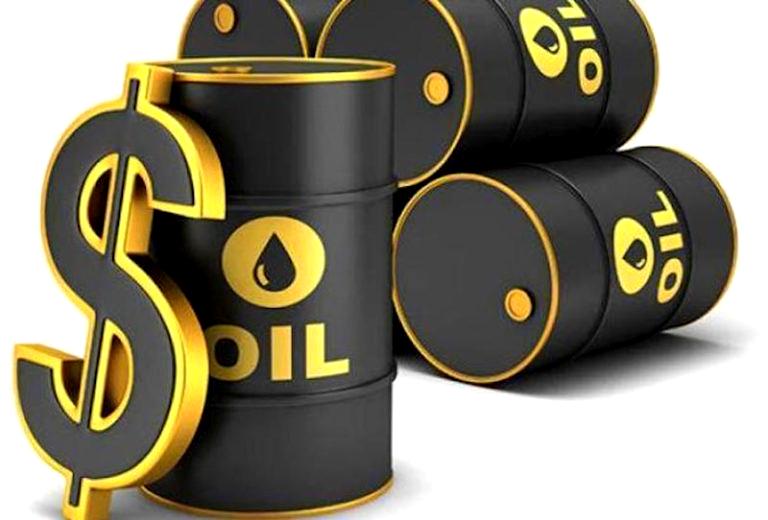
Oil futures saw a notable increase on Monday morning as a potential hurricane system neared the U.S. Gulf Coast, providing a boost to markets recovering from a recent selloff due to disappointing U.S. jobs data.
West Texas Intermediate (WTI) crude futures climbed by $1, or 1.48%, to $68.67 per barrel. Brent crude futures also rose by 99 cents, or 1.39%, to $72.05 per barrel. This rebound in oil prices is partly attributed to the approaching hurricane, which is forecasted to strengthen into a hurricane before hitting the northwestern U.S. Gulf Coast, according to the U.S. National Hurricane Center.
The U.S. Gulf Coast is crucial to the U.S. oil industry, accounting for approximately 60% of the country’s refining capacity. The anticipated storm has added urgency to market sentiment, which had previously been dampened by weak economic indicators. Last week, Brent crude dropped 10% and WTI fell 8%, marking their lowest levels since December 2021 and June 2023, respectively.
The decline in oil prices followed a weaker-than-expected U.S. jobs report for August, which showed an increase of 142,000 nonfarm payrolls, below market forecasts. Additionally, the July figure was revised downward to a gain of 89,000, the smallest increase since December 2020. The weaker jobs data raised concerns about slowing oil demand in the world’s largest consumer.
Despite a drop in the jobless rate, which may lead the Federal Reserve to consider a modest 25 basis points rate cut instead of a larger reduction, the overall outlook for oil demand remains cautious. Lower interest rates typically boost oil demand by stimulating economic growth and making oil more affordable in non-dollar currencies.
Compounding the issue, refining margins in Asia have hit their lowest seasonal levels since 2020 due to weak demand from major economies. Additionally, U.S. Gulf Coast fuel oil exports have fallen to their lowest level since January 2019, reflecting reduced refining margins and weaker demand.
About The Author