Century-Long Evolution: How Nigeria’s Motoring Industry Fuels Economic Growth and Innovation
The government also offered incentives to encourage vehicle owners to convert from petrol to CNG. Subsidies were introduced to reduce the cost of converting vehicles, and partnerships were formed with automotive service companies to ensure the widespread availability of conversion centers. These initiatives aim to make the transition affordable and accessible to the everyday Nigerian, including commercial drivers.
The conversion process, however, has not been without its challenges. One of the major hurdles is the infrastructure deficit, particularly the need for more CNG refueling stations across the country. Many cities, especially in rural areas, lack adequate refueling facilities, making it difficult for vehicle owners to adopt CNG.
To counter this, the government has committed to a rapid expansion of CNG stations, particularly in key cities such as Lagos, Abuja, and Port Harcourt. Private sector investment has also been encouraged, with promises of tax incentives for companies that build and operate these stations.
Additionally, the cost of converting vehicles to CNG, though subsidized, can still be prohibitive for many Nigerians. The government is exploring financing options, including low-interest loans and installment payment plans, to ease the financial burden on consumers and encourage adoption.
Despite these challenges, there has been significant progress. Thousands of vehicles were successfully converted to CNG, and the number continues to grow as awareness increases. Public transportation systems, including buses and taxis, are leading the charge, with many fleet owners opting for conversion to reduce fuel costs and enhance profitability.
Also the global push toward cleaner energy have spurred a growing interest in electric vehicles (EVs).
While EV penetration remains minimal due to high upfront costs and infrastructural challenges, the conversation has shifted toward embracing this new technology. Nigerian companies like Stallion Motors have introduced more electric vehicle models to the market, and private charging stations are gradually being installed in Lagos and Abuja.
The Role of Technology in Nigeria’s Motoring Future
Technology continues to shape Nigeria’s motoring industry, with innovations like ride-hailing apps, vehicle tracking, and traffic management systems becoming more common. In Lagos, a new smart traffic management system was introduced in 2023, using AI-powered cameras and sensors to monitor traffic patterns and reduce congestion in key areas. The system has shown early success in easing gridlock during peak hours, although further expansion is necessary to fully tackle Lagos’ notorious traffic problems.
Ride-hailing companies have also rolled out new technologies to enhance the commuting experience, such as carpooling features and electric motorcycles, to reduce emissions in congested cities. In 2024, Nigeria has also seen a rise in the use of digital tolling systems, reducing wait times at toll plazas and promoting a smoother flow of vehicles.
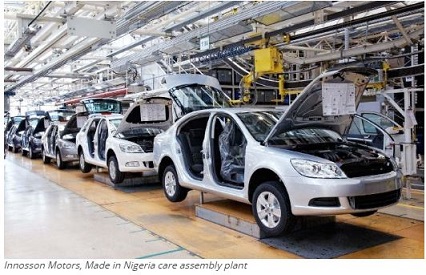
Nigeria’s motoring industry reflects the country’s broader socio-economic landscape: a mix of resilience, growth, and persistent challenges. The continued reliance on used vehicles, the strain on road infrastructure, and the environmental consequences of fuel dependency are pressing issues. Yet, there are promising signs of transformation, with increasing investment in smart traffic systems, the rise of electric vehicles, and the government’s renewed focus on local car manufacturing.
As Nigeria moves further into the 21st century, the future of its motoring industry will depend on continued innovation, sustainable practices, and, most importantly, investments in infrastructure. The country’s ability to adapt to global automotive trends, particularly in the areas of electric mobility and smart transportation, will be crucial in determining the long-term success of Nigeria’s motoring industry.
About The Author