OPEC Refutes Claims of Crude Oil Price Dropping to $50/ Per Barrel
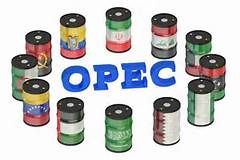
The Organization of the Petroleum Exporting Countries (OPEC) has dismissed a report by the Wall Street Journal (WSJ) alleging that crude oil prices could fall to $50 per barrel.
The report claimed that Saudi Arabia’s Oil Minister, Prince Abdulaziz bin Salman, had warned that oil prices might plunge if OPEC members, including Nigeria, failed to comply with production cut agreements.
In a swift response, OPEC took to its official X (formerly Twitter) handle to categorically deny the report, labeling it as entirely false and unfounded.
OPEC emphasized that no such conference call, as referenced by the WSJ, took place recently, nor has any call or video conference been held since the last OPEC+ meeting on September 5.
OPEC’s statement further clarified that the remarks attributed to Prince Abdulaziz bin Salman were fabricated, stressing that the story had no credible sources.
The organization reaffirmed its commitment to maintaining stability in the global oil market and dismissed the notion that oil prices were on the verge of such a significant decline.
The statement from OPEC read: “With reference to the Wall Street Journal article dated 2 October 2024, titled ‘Saudi Oil Min Said Prices May Fall to $50/B if Others Cheat, Sources Say,’ the OPEC Secretariat categorically refutes the claims made within the story as wholly inaccurate and misleading.”
It continued, “The article falsely reported that a conference call took place in which the Saudi Arabian Energy Minister allegedly warned OPEC+ members of a potential price drop to $50 per barrel should they fail to comply with agreed production cuts. These claims are entirely unfounded. No such conference call occurred last week, nor has any call or video conference taken place since the last OPEC+ meeting on September 5.”
The refuted report comes at a critical time for oil-dependent nations like Nigeria, where crude oil revenue plays a vital role in the country’s economic health. Although oil contributes a smaller portion to Nigeria’s overall GDP, it remains a key source of foreign exchange and government revenue.
The international price of crude oil significantly impacts Nigeria’s fiscal stability, as higher oil prices boost revenue and support key sectors like infrastructure, education, and healthcare.
About The Author