Senate Endorses Over N530bn Funding to Propel Nigeria’s Rail Modernization
Samuel Mobolaji
The Nigerian Senate has thrown its weight behind an ambitious 530 billion naira funding initiative aimed at advancing the Nigerian Railway Corporation’s (NRC) modernization and rehabilitation projects.
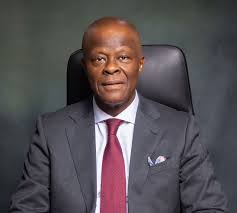
This financial commitment, highlighted by Senate Committee on Land Transport Chairman Adamu Aliero during an inspection tour from Lagos to Abeokuta, is part of a recently passed supplementary appropriation bill.
“It is intended as counterpart funding for a broader investment plan, with 85% of the required financing expected from international lenders, including the African Development Bank and China Exim Bank.
Aliero emphasized that the committee remains fully committed to supporting NRC’s mandate, praising the government’s focus on transforming the rail sector into a driver of economic growth.
He noted that the African Development Bank has pledged $350 million to support the rail line connecting Kano to Maradi, while negotiations in China last month aimed to unlock further funding for projects linking the southern and northern corridors.
As Aliero toured the Lagos-Ibadan rail corridor’s facilities and stations, he lauded the quality and automation of NRC’s ticketing system, stating that the robust infrastructure and streamlined operations would enhance passenger experience and reduce the risk of fraud.
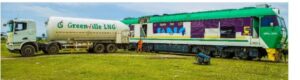
He emphasized that the NRC’s modernization would open doors for increased revenue generation, particularly through expanded freight services across high-demand routes such as Lagos to Ibadan, Port Harcourt to Aba, and Kano to Lagos.
The Senate’s endorsement of the rail investment aligns with long-term goals to reduce the heavy wear on Nigeria’s highways caused by trucks carrying up to 90 tons, often damaging roads designed for much lighter loads.
Aliero urged state governments to contribute by improving access roads to railway stations, emphasizing that a modernized rail system with robust state-level support could alleviate road congestion, improve logistics, and spur regional economic growth.
Underlining the broader impact of this funding, Aliero said, “Railway transportation is essential in a developing country like Nigeria. It not only eases movement but also preserves our roads by diverting heavy cargo from highways.”
The senator added that the modernization efforts, dating back to President Olusegun Obasanjo’s administration and further expanded under President Muhammadu Buhari, remain a critical priority under President Bola Tinubu’s government.
Aliero concluded by commending NRC’s partnership with international contractors, such as CCECC, which has been instrumental in transferring technical expertise to Nigerian engineers.
This capacity-building is expected to strengthen Nigeria’s rail sector, providing a foundation for sustainable maintenance and operations even after foreign contractors leave.
With this substantial financial boost and the committee’s legislative backing, Nigeria’s rail network is on track to play a transformative role in the country’s infrastructure landscape, bolstering connectivity and economic resilience.
About The Author