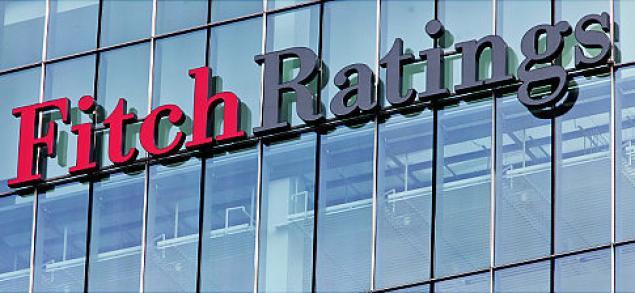
With Nigeria’s external reserves at a 30-day moving average of $39.785 billion by the end of October 2024, Fitch Ratings has flagged concerns over the actual size and composition of the country’s reserves.
According to the international rating agency, approximately a quarter of Nigeria’s gross reserves consist of foreign exchange swaps with local banks, raising questions about the true net reserve level.
Nigeria’s gross reserves rose by 3.7% in the past month, from $38.352 billion at the end of September to $39.785 billion by the close of October.
This growth was attributed to official disbursements, remittances, portfolio inflows, and an improved trade balance.
Fitch forecasts that Nigeria’s reserves could rise to cover 6.1 months of external payments by the end of 2024, up from a ‘B’ median of 3.7 months, and average 5.3 months through 2025-26. The agency expects that most forex swaps with banks will likely be rolled over.
Fitch attributed the improved trade balance to reduced imports, higher domestic refining output, and currency depreciation, which has dampened domestic demand. However, the agency warned that forex market stability remains unsteady, despite several measures by the Central Bank of Nigeria (CBN) to bolster liquidity and formalise currency trading activity.
Fitch acknowledged the CBN’s recent initiatives, including the introduction of an electronic forex matching platform set to launch in December, aimed at providing real-time intra-day prices to enhance market transparency.
Additionally, the CBN has raised the monetary policy rate (MPR) by a cumulative 850 basis points since February 2024, bringing it to 27.25%. Fitch anticipates another rate hike in the upcoming meeting this month, along with the continued use of open market operations closely aligned with the MPR to enhance monetary policy transmission.
The report projected Nigeria’s inflation to average 33% in 2024, spurred by exchange rate fluctuations and rising food and gasoline prices, with a decline expected to 26.2% in 2025.
In its latest review, Fitch affirmed Nigeria’s Long-Term Foreign-Currency Issuer Default Rating (IDR) at ‘B-‘ with a Positive Outlook, reflecting ongoing reform efforts aimed at improving policy coherence, economic credibility, and reducing near-term macroeconomic risks.