MOWAA Secures $25m Foreign Backing, Seeks Local Investor Support
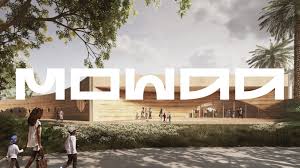
The Museum of West African Art (MOWAA) has raised $25 million from international investors as it steps up efforts to attract local investment for its ambitious cultural campus in Benin City, Edo State.
Executive Director, Phillip Ihenacho, disclosed this at a dinner held in Lagos to honour MOWAA and celebrate the return of the Nigeria Pavilion from the 2024 Venice Biennale — an evening that doubled as a fundraiser for the museum’s ongoing development.
Investment banker and MOWAA development board member, Ike Chioke, stressed the importance of securing Nigeria’s cultural future through sustained heritage funding. Chioke, who hailed MOWAA’s growth since its founding in 2019, described the operational launch of its first Benin City building as proof of progress.
He said the museum’s choice of Benin — home to the world-famous Benin Bronzes — reflects its mission to strengthen cultural ownership in a city long recognised for its contributions to global art heritage.
Ihenacho emphasised that the museum’s vision goes beyond restitution and remembrance to fostering creative revival.
“We did not want to be a memorial for art done hundreds of years ago. The bronze casters that were crafting 600 years ago have descendants ready to begin again. This is about looking backward only so we can look forward,” he said.
He also highlighted MOWAA’s wider goal of nurturing the next generation of Nigerian creatives across art, design, music and film, positioning culture as a future national asset.
Ihenacho noted a global shift in perception about Nigeria, observing that conversations once dominated by negative stereotypes are now shaped by admiration for the country’s booming music, film and fashion scenes.
He argued that Nigeria’s creative economy could soon outshine oil and gas as its most valuable global export, with MOWAA serving as a dynamic hub for this cultural renaissance.
Director of MOWAA, Ore Disu, said the institution will offer artist residencies, conservation training and cultural research programmes designed to inspire new work rooted in West African heritage.
Disu described the museum not just as a space for preserving the past but as a catalyst for future artistic innovation deeply informed by history and identity.
About The Author