22 Nigerian Banks Join PAPSS to Boost Cross-Border Payments
Twenty-two Nigerian commercial banks have joined the Pan-African Payment and Settlement System (PAPSS), positioning the country at the forefront of efforts to streamline cross-border payments across the continent. The updated list of participants released by PAPSS for May 2025 confirms Nigeria now has the highest number of onboarded banks, followed closely by Ghana with 19 banks.
PAPSS, launched in January 2022 by Afreximbank in partnership with the African Union and the African Continental Free Trade Area (AfCFTA) Secretariat, is designed to facilitate instant, secure, and efficient cross-border transactions across Africa. The system allows for payments in local currencies, reducing dependence on third-party currencies such as the U.S. dollar, cutting transaction costs, and supporting the AfCFTA’s objective of expanding intra-African trade.
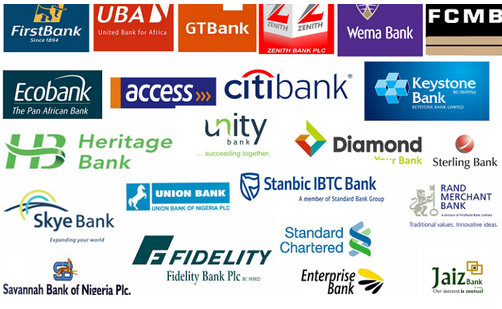
The Nigerian banks now fully integrated into the PAPSS platform include First Bank, United Bank for Africa, Access Bank, Stanbic IBTC, Sterling Bank, Wema Bank, Keystone Bank, Lotus Bank, Providus Bank, Polaris Bank, Union Bank, Jaiz Bank, Zenith Bank, Fidelity Bank, Optimus Bank, Coronation Merchant Bank, Parallex Bank, TajBank, FSDH Merchant Bank, Ecobank, FBNQuest Merchant Bank, and Unity Bank.
PAPSS reports that 16 African countries and over 150 commercial banks are currently connected to the system, which is seen as a critical step toward building a borderless African economy through seamless local currency transactions.
Momentum for PAPSS adoption in Nigeria has been further strengthened by a recent policy directive from the Central Bank of Nigeria (CBN). In April 2025, the CBN mandated all Nigerian banks to adopt the PAPSS platform and begin originating transactions under its framework. This move is aimed at enhancing cross-border payment efficiency and deepening regional trade.
The apex bank also introduced a significant policy shift to ease participation. Under the new guidelines, individuals making transactions up to $2,000 or its naira equivalent, and corporate entities up to $5,000 equivalent, can now process such payments using basic Know Your Customer (KYC) and Anti-Money Laundering (AML) documentation already submitted to their banks. For larger transactions, however, existing documentation requirements under the CBN Foreign Exchange Manual and related circulars remain in force.
According to Mrs Hakama Sidi Ali, the CBN’s Acting Director of Corporate Communication, these changes are intended to drive greater participation among financial institutions, businesses, and individuals, ultimately fostering a more integrated and efficient African payments ecosystem.
About The Author