ExxonMobil Loses $331m Hydrogen Deal as U.S Cancels $3.7bn Clean Energy Projects
ExxonMobil
Samuel Mobolaji
ExxonMobil has lost a $331 million clean energy contract after the U.S. Department of Energy abruptly cancelled $3.7 billion worth of federal support for multiple climate-focused initiatives deemed unviable under a new policy review.
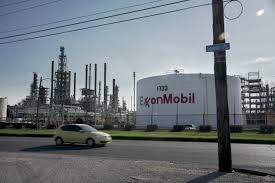
The cancelled deal involved ExxonMobil’s proposed plan to replace natural gas with hydrogen at its Baytown Olefins Plant in Texas — one of the largest industrial hydrogen projects in the country. The termination is part of a broader decision to scrap 24 projects that the department said failed to meet cost-effectiveness criteria or align with strategic energy goals.
The Energy Department said the move was driven by a reassessment of value to taxpayers and national priorities. “These projects failed to advance the energy needs of the American people, were not economically viable and would not generate a positive return on taxpayer investment,” the department said in a statement.
Sixteen of the cancelled awards had been granted during the Biden administration between the 2020 election and President Donald Trump’s inauguration on January 20. Other terminated projects include $375 million to Eastman Chemical for a molecular recycling project, and a combined $540 million to Calpine subsidiaries for carbon capture initiatives in Texas and California, including one located at Exxon’s Baytown facility.
The cancellations come just weeks after the Department of Energy launched a sweeping audit of over $15 billion in grants issued under Biden-era programmes supporting grid upgrades, hydrogen hubs, carbon capture, and advanced energy manufacturing. A separate internal proposal under consideration seeks to dissolve the $27 billion clean energy office responsible for disbursing those funds.
Among the largest casualties of that proposal would be a $1.2 billion direct air capture project by a subsidiary of Occidental Petroleum. Billions more earmarked for hydrogen, battery storage, and other green technologies could be shelved.
Energy Secretary Chris Wright defended the decision, accusing the previous administration of bypassing financial scrutiny. “We are doing our due diligence to ensure taxpayer dollars strengthen national security, support affordable and reliable energy, and back projects that deliver real returns,” he said.
About The Author