Car Trackers: Securing Vehicles in a High-Risk Era
In today’s Nigeria, where cases of vehicle theft and carjacking continue to make headlines, the demand for advanced automobile security has surged. Among the most effective solutions gaining traction is the use of car trackers—digital devices designed to monitor, trace, and recover vehicles in real time.
For many car owners, the fear of losing their prized possessions to thieves is not just paranoia but a lived reality. Statistics from security agencies show that thousands of vehicles are reported stolen annually, with only a fraction recovered. However, experts say the tide is turning with the adoption of tracking technology.
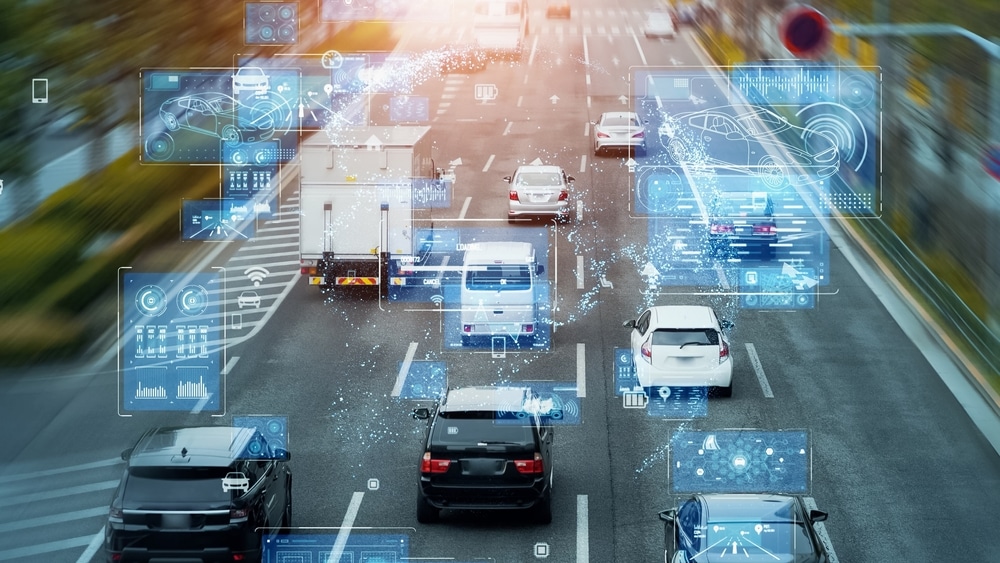
Car trackers operate by using GPS (Global Positioning System) or GSM technology to monitor the location and movement of a vehicle. Once installed, owners can access real-time updates on their cars’ whereabouts through mobile apps or web platforms. In case of theft, the system can alert security agencies or even remotely immobilize the car, frustrating the efforts of criminals.
Growing Popularity Among Nigerians
Insurance companies, ride-hailing firms, and logistics operators have been early adopters of the technology, making trackers mandatory for fleet vehicles. But private car owners are now embracing them as a must-have safeguard.
Mr. Abiodun Salami, a Lagos-based IT specialist, recounted how a tracker saved his Toyota Camry from disappearing without a trace.
“My car was snatched at gunpoint last year. Within two hours, the police tracked it to a hidden workshop in Ogun State where it was already being dismantled. Without the tracker, I would have lost it for good,” he said.
The rising demand has also opened doors for technology firms and startups in Nigeria, who now provide affordable tracking services ranging from ₦30,000 to ₦80,000 depending on the sophistication of the device.
Beyond Theft Protection
While security remains the major selling point, car trackers also offer added benefits. Some models monitor driving behavior, fuel consumption, and engine performance, providing owners with data to reduce maintenance costs. Parents also use trackers to monitor young drivers, while companies rely on them to manage and control their fleets more efficiently.
Challenges and Concerns
Despite the advantages, challenges persist. Poor network coverage in rural areas can limit effectiveness, while some criminals have devised ways to disable or jam trackers. There are also concerns about privacy, as constant monitoring raises questions about data misuse.
Nevertheless, industry experts believe the benefits far outweigh the risks. Security consultant Olufemi Ogundele notes:
“Car trackers are not a luxury; they are a necessity in today’s environment. Even if thieves disable the device, the few minutes of tracking can provide enough leads for recovery.”
The Future of Car Security
With advancing technology, the future of car tracking in Nigeria looks promising. Artificial intelligence, satellite-based communication, and integration with smart city surveillance are expected to push the boundaries of vehicle security. Some automakers are already embedding tracking systems directly into new models, making them part of the car’s DNA.
As insecurity challenges persist, experts advise car owners to embrace technology not only to secure their vehicles but also to enjoy peace of mind. In the words of a popular saying among motorists: “Bet
ter to track it than to lose it.
About The Author