Oil Approaches $80/ pbrrl As China Goes Slow On Zero Covid-19 Policy
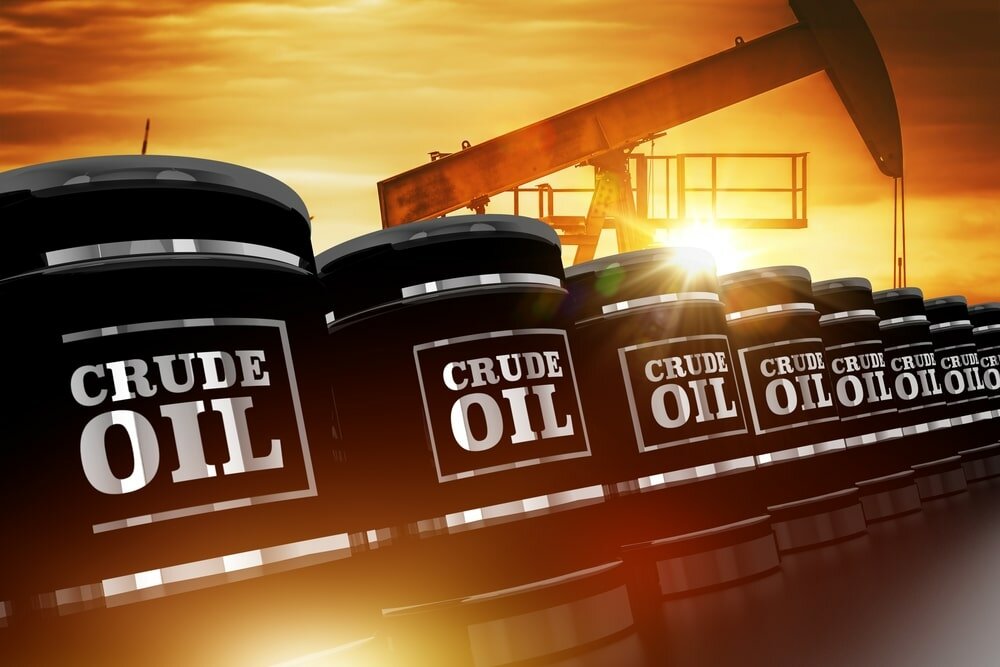
The market momentum was supported also by the shutdown of the Keystone pipeline following an oil leak, while Russia’s crude oil exports to India have increased 14-fold and doubled to China since the start of the Ukraine conflict, with Russia finding new buyers to compensate for the void left by European buyers.
It is, worthy of note that the ban on petroleum products will come into effect beginning Feb. 5 next year, corresponding to 90 per cent of Russia’s current oil imports. Bulgaria, however, was excluded from the sanctions until the end of 2024. With the EU’s move to cut Russian oil exports, Russia has sought customers elsewhere, offering lower prices in a bid to sell its crude.
India has emerged as one of the beneficiaries of the Kremlin’s cheap crude. India’s crude imports from Russia reached their highest volume of 35,000 barrels per day on average in 2021.
Despite almost zero imports from Russia in January and February of 2022, India’s Russian crude imports stood at 68,000 barrels per day on average in March 2022. During the war, India’s seaborne crude exports from Russia increased steadily, reaching 959,000 barrels per day by November 2022, a 14-fold increase.
‘Even without joining the G7 price cap, India’s refining sector benefits greatly from the heavily discounted Russian Urals crude oil as there are now fewer buyers left.
TankerTrackers.com said in a Twitter post. The price of Urals was trading at nearly one-third less than the Brent benchmark after the price cap.
About The Author