Nigeria’s Trade Surplus Hits N3.43trn in Q4 2024 Amid Rising Imports
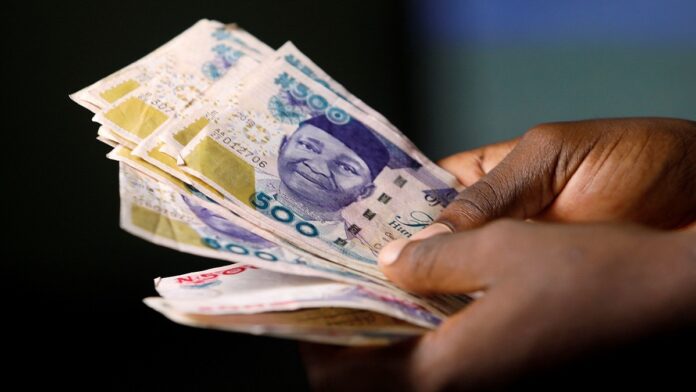
Nigerian naira banknotes are seen in this picture illustration, September 10, 2018. REUTERS/Afolabi Sotunde/File Photo
Total merchandise trade for the period stood at N36.61 trillion, reflecting a 2.2 per cent increase from Q3 2024 and a significant 68.32 per cent jump compared to Q4 2023. Exports reached N20.01 trillion, accounting for 54.68 per cent of total trade, despite declining by 2.55 per cent from the previous quarter. However, compared to the same period in 2023, exports surged by 57.67 per cent.
Imports grew at a faster pace, hitting N16.59 trillion, marking an 8.57 per cent rise from Q3 2024 and an 83.24 per cent spike year-on-year. This import surge, coupled with a marginal drop in exports, contributed to the decline in Nigeria’s trade surplus from the previous quarter.
Read Also: ESG Forum Launches Mentorship Programme for Young Sustainability Professionals
Crude oil remained the backbone of Nigeria’s exports, accounting for 68.87 per cent (N13.78 trillion) of total outbound trade. Non-crude oil exports stood at N6.23 trillion, with non-oil products—including agricultural goods, solid minerals, manufactured goods, and raw materials—contributing a modest N2.84 trillion, representing just 14.2 per cent of total exports.
Nigeria’s top export destinations included the Netherlands, France, Spain, India, and Indonesia, collectively making up 43.67 per cent of total exports. On the import side, China continued its dominance as Nigeria’s leading trade partner, alongside India, Belgium, the United States, and France, which together accounted for 57.56 per cent of total imports.
Trade between Nigeria and China remained substantial, exceeding $20 billion in 2024. Nigeria recorded a N3.4 trillion trade surplus against China in Q4 2024. Crude oil exports to China stood at 88.8 per cent (N643.45 billion), while non-oil exports amounted to 11.2 per cent (N81.16 billion). Conversely, Nigeria’s total imports from China were valued at N602.91 billion, driven primarily by manufactured goods and industrial equipment.
The devaluation of the naira in the official market has played a pivotal role in boosting export values, enhancing competitiveness while making imports more expensive. Over the past five years, the share of crude oil in total exports has declined from approximately 77 per cent to 71.52 per cent in 2024, reflecting gradual diversification efforts.
With increased output from the Dangote refinery, non-crude oil exports are projected to grow. Additionally, agricultural commodities such as cocoa beans, cashew, and rubber are trading at higher prices, presenting a strategic opportunity for Nigeria to capitalise on its vast arable land. Strengthening investments in agriculture and non-oil sectors could significantly enhance economic resilience and reduce dependence on crude oil revenues in the long term.
About The Author