Africa’s Cross-border Payments Market Set to Surge to $1trn by 2035
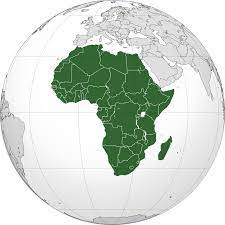
Africa’s cross-border payments market is on a strong growth trajectory, with projections indicating it will hit $1 trillion by 2035, up from $329 billion in 2025, according to a new report by Oui Capital, a venture capital firm focused on Africa.
This surge, representing a 12 per cent compound annual growth rate, is being driven by fintech innovation, the rise of intra-African trade, and widespread adoption of mobile money services.
Despite this promising outlook, the report highlights persistent structural inefficiencies that continue to hamper the sector and cost African businesses and consumers billions each year. Regulatory fragmentation, limited digital identity systems, and persistent foreign exchange volatility are among the key obstacles.
The report notes that Africa leads the world in mobile money usage, with 781 million registered accounts recorded in 2022—an increase of 17 per cent year-on-year. That same year, $837 billion in mobile money transactions were processed on the continent, accounting for 66 per cent of global mobile money volume.
These platforms have enabled faster, cheaper cross-border transfers, particularly for small businesses and individuals, with remittance costs now averaging 3.5 per cent, down from the 8–12 per cent typically charged by banks.
Nonetheless, remittance costs in Africa remain the highest globally, ranging from 7.4 to 8.3 per cent. Only 55 per cent of African countries currently permit electronic Know-Your-Customer (e-KYC) procedures, forcing financial service providers to duplicate compliance processes across markets, the report said.
Forex-related challenges are another major barrier. Oui Capital estimates that Africa loses $5 billion annually due to weak forex liquidity, multiple currency conversions, and a lack of interoperable digital payment systems. Heavy dependence on offshore USD and EUR clearing mechanisms further complicates intra-African payments, especially in markets like Nigeria where forex policies are often inconsistent.
The report identifies several opportunities to unlock value and reduce inefficiencies. Improving interoperability among mobile money systems could save as much as $5 billion annually. API-driven infrastructure and reliable digital rails are essential to ensuring seamless cross-border transactions. Emerging technologies such as stablecoins and cryptocurrencies could reduce transaction fees by up to 60 per cent while enabling faster, decentralised settlements.
Additionally, establishing regional decentralised FX exchanges could stabilise rates, lower conversion costs, and enhance intra-African commerce.
The release of the Oui Capital report coincides with growing interest in the Pan-African Payment and Settlement System (PAPSS), launched in 2022 by Afreximbank in collaboration with the African Union and the AfCFTA Secretariat.
Designed to streamline cross-border transactions across Africa, PAPSS allows payments in local currencies, cutting reliance on third-party currencies like the U.S. dollar and supporting the goals of the African Continental Free Trade Area.
So far, 22 Nigerian commercial banks have joined the PAPSS platform, signalling strong momentum toward a more unified and efficient African payments landscape.
About The Author