Auditors as Guardians of Public Trust: Why Compliance, Accountability, and Education Matter More Than Ever
In an era marked by economic uncertainty, evolving regulations, and increasing public scrutiny, auditors are emerging as critical guardians of public trust.
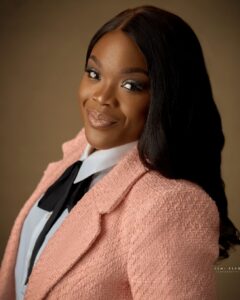
Speaking recently with journalists in Lagos, Onyenum Ruth Udoh, a professional auditor and accounting expert, emphasized that robust audit practices are essential not merely for financial accuracy but for sustaining confidence in both private and public institutions.
“People often think of auditing as simply checking figures and verifying documents,” Udoh explained. “Auditing is about trust. It’s about assuring stakeholders that organizations are doing what they say they’re doing, ethically, transparently, and in compliance with laws and standards.”
Udoh stressed that compliance is no longer a box-ticking exercise. Today’s business environment demands proactive governance, where organizations must demonstrate that they operate responsibly and are committed to protecting stakeholder interests. She noted that regulatory bodies in Nigeria and worldwide are increasingly focused on how organizations manage risk, prevent fraud, and ensure transparency.
“Accountability is the foundation of a stable economy,” Udoh said. “When citizens and investors believe that companies, government agencies, and nonprofits are being held accountable, it strengthens the entire system. People are more willing to invest, to collaborate, and to support initiatives because they know there’s oversight.”
Highlighting recent events, from high-profile corporate scandals to financial mismanagement in public projects, Udoh stressed the importance of strong internal controls and external audits. She explained that an auditor’s role extends beyond financial statements. It includes evaluating governance structures, assessing how organizations comply with laws, and identifying areas vulnerable to fraud or inefficiency.
“In Nigeria, where public funds are crucial for development, the auditor’s work has a direct impact on citizens’ welfare,” she said. “If funds meant for hospitals, schools, or infrastructure are mismanaged, the consequences are real and painful for everyday Nigerians.”
Udoh acknowledged that auditors face significant challenges, including resource constraints, political pressures, and sometimes a lack of cooperation from auditees. Despite these obstacles, she believes that professionalism and adherence to ethical standards are non-negotiable.
“Auditors must remain independent and objective,” Udoh asserted. “Our credibility depends on our ability to speak truth to power, even when it’s uncomfortable.”
She emphasized that promoting public trust, compliance, and accountability requires not only the diligence of audit professionals but also greater awareness and understanding among all stakeholders. According to Udoh, audit education is critical for equipping professionals with technical expertise, ethical principles, and communication skills. However, she believes that its scope must extend beyond the audit profession.
“Technical knowledge is only part of what makes a good auditor,” Udoh explained. “But we also need to educate stakeholders and citizens, because everyone plays a role in demanding accountability and transparency. Auditors can provide assurance, but lasting change comes when the public understands why these processes matter and feels empowered to hold institutions to account.”
Udoh advocates for audit education that includes practical understanding for business leaders, public officials, and citizens alike. She believes that informed stakeholders are more likely to support governance reforms, ask the right questions, and ensure resources are used effectively.
“If we want strong governance and accountability, we must invest in educating not just auditors but everyone who has a stake in how organizations operate,” Udoh said. “Audit education is about building a culture of integrity and giving people the tools to safeguard public trust.”
She also called for greater public awareness about the audit function, suggesting that while there are professional auditors, every member of society is an auditor in their own right, with a shared responsibility to promote accountability and demand transparency.
“People should understand that audits aren’t meant to witch-hunt anyone,” Udoh said. “They’re tools for safeguarding resources and ensuring that organizations, whether private corporations, government ministries, or nonprofits, operate transparently and efficiently.”
Udoh concluded by expressing optimism about the growing emphasis on corporate governance, accountability, and education in Nigeria, driven by both local reforms and global standards.
“Change is happening, even if slowly,” she said. “But for meaningful progress, we need a culture where compliance, integrity, and education aren’t just regulatory requirements but shared values.”
As the conversation around governance, education, and public trust gains momentum, professionals like Udoh are reminding stakeholders that auditors are not just watchdogs. They are partners in building a society where resources are used wisely and trust remains unbroken.
About The Author