Autonomous: Everything You Need to Know About Self-Driving Vehicles
Temitope Adebayo
The thought of a car driving itself without a human behind the wheel still feels like science fiction to many Nigerians.
On busy roads like the Lagos–Ibadan Expressway or in Lagos traffic, the idea sounds unbelievable. Yet, in many parts of the world, autonomous or self-driving cars are no longer imagination, they are a reality.
Although they are not common in Nigeria yet, global automobile companies are testing these cars and preparing them for the future of transportation.
The question is: how soon will Nigeria be ready for them?
What Makes a Car Self-Driving?
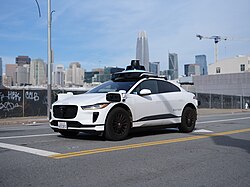
A self-driving car operates without human control, using sensors, cameras, radar, lidar, and artificial intelligence (AI) to detect its environment and make driving decisions.
Global companies like Tesla, Google (Waymo), Audi, BMW, Ford, Volkswagen, and Volvo are already developing and testing these vehicles. For a car to be considered truly autonomous, it must drive from one point to another without human input—even on regular public roads.
How the Technology Works
Self-driving vehicles rely on a network of advanced systems:
Lidar Sensors: Roof-mounted, scanning the environment with lasers to create 3D road maps.
Radar Systems: Measuring distance and speed of nearby vehicles.
Ultrasonic Sensors: Used for short-range navigation, such as parking.
Cameras: Reading traffic lights, road signs, and detecting pedestrians.
Central AI Computer: The “brain” that processes data and controls steering, acceleration, and braking.
Navigation Systems: Using GPS and maps for route guidance.
The system works like a human driver, perceiving, deciding, and acting, but at faster speeds and with continuous accuracy.
Why Nigeria Is Watching Closely
Nigeria’s transport sector is large and diverse. From Lagos BRT buses and ride-hailing services like Uber and Bolt, to long-distance buses and haulage companies like Dangote Truck Fleet, GIG Logistics, and ABC Transport, millions of jobs depend on human drivers. The introduction of autonomous vehicles could disrupt these systems.
Imagine a self-driving BRT bus navigating Ikorodu Road, or driverless trucks moving cement from Dangote factories to different states. While it might sound efficient, the social and economic impact could be massive—especially for drivers who rely on these jobs for survival.
Advantages of Self-Driving Cars
Supporters of autonomous vehicles highlight the following benefits:
Safer Roads: Human error is the biggest cause of accidents. A self-driving system could drastically reduce crashes on roads like Lagos–Ibadan Expressway.
Traffic Management: Cars driving in sync could reduce congestion in Lagos and Abuja.
Inclusive Transport: Disabled people or elderly Nigerians could move independently without relying on drivers.
Fuel Efficiency: Reduced stop-and-go driving means less fuel consumption and lower emissions.
Challenges and Concerns
Despite the benefits, there are serious barriers in Nigeria:
Poor Infrastructure: Nigeria lacks smart roads, proper lane markings, and 5G connectivity needed for self-driving cars.
High Costs: These vehicles and supporting infrastructure are expensive, making them unaffordable for most Nigerians.
Safety Risks: Autonomous systems can fail or be hacked. Fatal accidents have already been reported abroad.
Job Losses: Drivers in commercial buses, trucks, and taxis risk unemployment if machines replace them.
Public Distrust: Many Nigerians may not feel safe entering a car without a driver in control.
Expert Opinions
Dr. Michael Ajayi, a transport technology researcher, told Daily Times “Nigeria is still far from adopting self-driving technology. Our roads are not ready, and our systems are not digitized. However, in the next decade, we may begin to see pilot projects, especially in controlled environments like private estates or company fleets.”
A commercial driver in Lagos, Mr. Sikiru Adedeji, expressed worry about the idea:“If these cars come, people like us will lose our daily bread. I don’t think Nigerians will trust them on our kind of roads.”
The Road Ahead
Globally, autonomous technology is advancing quickly, but Nigeria is still at the beginning of the journey. Just as mobile phones, ATMs, and ride-hailing apps were once seen as “impossible” but eventually became part of daily life, self-driving cars may one day become a reality here.
For now, however, the dream of a driverless car cruising through Third Mainland Bridge or navigating Abuja traffic is still far away. The technology is real, but Nigeria must first solve its infrastructure and policy challenges before it can catch up with the global race.
About The Author