Middle East Conflict: Nigerian Commuters Face 50% Transport Fare Hike Amid Global Oil Uncertainty
The ongoing conflict in the Middle East is raising fresh concerns over transportation costs in Nigeria, where commuters in major cities are already grappling with an estimated 50 percent increase in transport fares.
In cities such as Lagos, Ogun State and Abuja, many workers, traders and students say the cost of daily commuting has risen sharply over the past months, forcing households to adjust spending and reduce the number of trips they make.
Transport operators attribute the rise in fares to the high cost of fuel, vehicle maintenance, spare parts and general economic pressures. With many Nigerians relying heavily on road transport for daily movement, the increase has placed additional strain on already stretched household budgets.
Economic observers warn that the situation may worsen as global geopolitical tensions continue to threaten energy supply chains and oil prices.
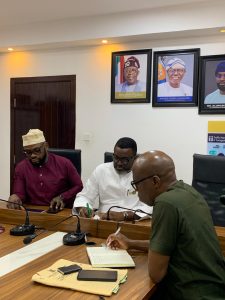
Nigeria’s Minister of Finance and Coordinating Minister of the Economy, Wale Edun, has cautioned that the ongoing Middle East conflict could have direct consequences for Nigeria’s economy, particularly in the areas of inflation and transportation costs.
Speaking on Politics Today on Channels Television, Edun explained that disruptions in global oil supply could push up the prices of petroleum products and other essential commodities.
“There will be a direct impact on the price of petroleum products, on the price of fertilisers and a few other things that will be impacted. Inflation will be impacted, transport costs will be impacted,” the minister said.
According to him, rising transportation costs often have a ripple effect across the economy, influencing the prices of goods and services because logistics and supply chains depend heavily on mobility.
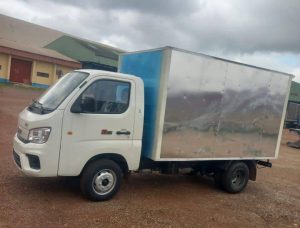
To reduce the pressure on transport costs, Edun said the government is expanding the Compressed Natural Gas (CNG) vehicle conversion programme as part of efforts to reduce reliance on petrol.
He noted that President Bola Ahmed Tinubu has approved the provision of additional conversion kits to enable more vehicles switch to CNG, which is significantly cheaper than petrol.
The initiative, according to the minister, is aimed at reducing fuel expenses for transport operators and easing the burden of rising fares on commuters.
Despite these measures, analysts say commuters across Nigeria’s urban centres may continue to feel the impact of rising transport costs in the near term, particularly if global oil market disruptions persist.
They stress that sustained investment in mass transit systems, rail infrastructure and alternative energy sources will be critical to stabilising transport fares and easing the cost of living for millions of Nigerians.
About The Author