Nigeria Rules Out IMF Funding As Debt Surge Tests Fiscal Strategy
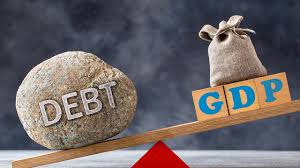
The Minister of Finance and Coordinating Minister of the Economy, Wale Edun, declared at the ongoing IMF-World Bank Spring Meetings in Washington DC that the government has no intention, for now, of approaching the Fund or similar institutions for support, despite mounting concerns over Nigeria’s debt profile.
His position signals a deliberate policy choice by the administration of President Bola Tinubu to rely on domestic reforms and market-based financing rather than concessional multilateral lending. But analysts say the stance, while politically and strategically significant, raises critical questions about how Nigeria intends to navigate its widening fiscal pressures without cheaper external buffers.
At the heart of the debate is the country’s rapidly expanding debt stock.
Latest data from the Debt Management Office shows total public debt rose by N14 trillion to N159.27 trillion as of the fourth quarter of 2025, underscoring the scale of Nigeria’s financing needs and the growing cost of servicing obligations.
Economists note that rejecting IMF financing removes access to relatively low-cost, long-tenor funding at a time when global interest rates remain elevated and investor risk appetite for emerging markets is uneven. In its place, Nigeria is likely to depend more heavily on commercial borrowing and domestic debt markets, both of which come at significantly higher costs.
“Staying away from the IMF may preserve policy independence, but it comes with a price,” a Lagos-based macroeconomic analyst said. “The alternative funding sources are more expensive, and that has direct implications for debt sustainability.”
Edun’s remarks reflect broader concerns about Africa’s debt dynamics, where many countries are either in or approaching distress. He pointed to the high premiums paid on commercial debt as a key driver of fiscal strain, noting that a growing share of government revenue is being diverted to debt servicing rather than critical sectors such as health and education.
That concern is particularly acute in Nigeria, where analysts say debt service-to-revenue ratios remain among the highest globally. While the government has implemented reforms aimed at boosting revenue, especially through tax administration and subsidy removal, economists argue that gains have yet to fully offset the pace of borrowing.
The decision to avoid IMF support is also being interpreted through a political economy lens. For many policymakers, IMF programmes often come with stringent conditionalities, including fiscal tightening and structural adjustments that can carry short-term social and economic costs. By steering clear, the government retains greater control over policy sequencing and reform pace.
However, some economists warn that the absence of an IMF anchor could weaken external confidence, particularly at a time when Nigeria is seeking to attract foreign capital and stabilise its currency. IMF engagement, even without direct borrowing, is often seen by investors as a signal of policy discipline and reform credibility.
“There is a signalling effect that comes with IMF involvement,” an Abuja-based policy adviser noted. “Opting out means the government must work harder to build investor confidence through transparency, consistency, and delivery on reforms.”
The approval of a fresh $6 billion external borrowing plan by the National Assembly further complicates the narrative. While the government argues that new borrowing is necessary to fund critical infrastructure and development priorities, analysts caution that the cost of such debt—especially in a high-rate environment—could deepen fiscal vulnerabilities.
External debt, which stood at N74.43 trillion as of December 2025, continues to account for a significant portion of total obligations, exposing the country to exchange rate risks. With the naira still facing volatility, any depreciation could inflate debt servicing costs and widen fiscal pressures.
Edun’s call for a reassessment of how global rating agencies price African risk also reflects a growing sentiment among policymakers on the continent. Many argue that perceived risk premiums are disproportionately high, limiting access to affordable financing and exacerbating debt challenges.
Still, economists insist that structural reforms remain the more decisive factor. Beyond external perceptions, Nigeria’s ability to strengthen revenue generation, deepen its tax base, and drive export growth will ultimately determine its fiscal resilience.
There is cautious support for the government’s emphasis on reform and private sector participation. Analysts say reducing reliance on debt will require unlocking domestic productivity, improving efficiency in public spending, and leveraging technology to enhance revenue collection.
Yet, the central question persists: can Nigeria sustain its current fiscal path without concessional support?
For now, the government’s position is clear—no IMF loans. But as debt levels climb and financing costs rise, the durability of that stance will depend on how quickly reforms translate into tangible revenue gains and economic expansion.
In the absence of that, analysts warn, the choice may not remain entirely Nigeria’s to make.
About The Author