FAAN’s Airside Infrastructure Revolution: Kuku’s strategic focus

Federal Airports Authority of Nigeria (FAAN) MD, Mrs Olubunmi Kuku
For decades, Nigeria’s airport terminals have drawn public attention while critical airside assets quietly aged under increasing aircraft movements, climate pressures, and years of deferred investment. Some runways exceeded their design life, taxiways required rehabilitation, and airfield lighting systems needed modernisation. Engineering interventions became urgent as traffic continued to grow.
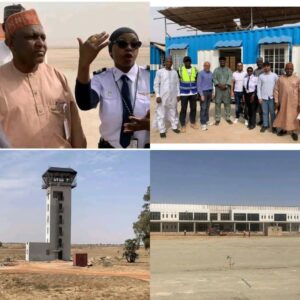
Under the leadership of Managing Director and Chief Executive Mrs. Olubunmi Kuku, the Federal Airports Authority of Nigeria (FAAN) has embarked on one of the most ambitious programmes of airside rehabilitation and safety-critical infrastructure renewal in recent years.
This transformation is reshaping not just facilities but the foundations of aviation safety in Nigeria.
The approach reflects a deliberate shift in philosophy: safety before aesthetics, resilience before convenience, and long-term sustainability ahead of temporary fixes. It aligns with President Bola Ahmed Tinubu’s Renewed Hope Agenda, which identifies infrastructure renewal as a catalyst for economic growth, investor confidence, and national competitiveness.
One of the earliest milestones was the rehabilitation of Runway 18R/36L and Taxiway B at Murtala Muhammed International Airport, Lagos. The project restored a critical operational asset, significantly improving capacity for uninterrupted flight operations, particularly at night.
Across the country, FAAN has directed similar attention to runway maintenance, pavement assessments, airfield lighting upgrades, and preventive systems designed to strengthen resilience. For airlines, dependable airside infrastructure means improved reliability and reduced delays; for passengers, it means safer journeys.
FAAN estimates ₦580 billion will be required to comprehensively rehabilitate runways nationwide, underscoring decades of accumulated deficits and the scale of capital needed to safeguard aviation’s future. Rather than conceal these realities, the Authority has embraced transparency, reflecting a culture of accountability that now defines its transformation agenda.
Globally, airport certification has become a benchmark of operational excellence. Nigeria’s progress in aerodrome certification reflects coordinated investment by FAAN, the Nigerian Civil Aviation Authority, and stakeholders committed to aligning operations with International Civil Aviation Organisation standards.
The rehabilitation of airside facilities is more than engineering works; it is the defining expression of FAAN’s transformation agenda. Sustained investments in safety-critical infrastructure are strengthening efficiency, enhancing compliance, improving passenger confidence, and laying the foundation for a safer, more competitive aviation industry. By prioritising rehabilitation, investing in engineering excellence, and aligning with international best practices, the Olubunmi Kuku administration is laying the groundwork for a resilient and globally competitive aviation sector.
About The Author