Dangote Refinery swings to $4.7bn profit as cash reserves hit $6.7bn
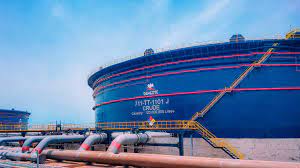
Dangote Petroleum Refinery and Petrochemicals has swung from a loss to a $4.73 billion net profit in the first nine months of 2026, marking a major financial turnaround ahead of its landmark public share offering and strengthening its capacity to finance expansion.
The refinery’s unaudited results for the nine months ended September 30 showed revenue surging 144 per cent to $22.48 billion from $9.2 billion a year earlier, while earnings before interest, taxes, depreciation and amortisation (EBITDA) climbed to $5.52 billion from $627.6 million. The company had recorded a $117.2 million net loss in the corresponding period of 2025.
The performance reflects improved operational reliability, higher processing volumes and stronger refining margins as the 700,000-barrel-per-day facility consolidates its position in Nigeria’s domestic fuel market and expands exports.
Cash generation improved substantially. Operating cash flow increased more than tenfold to $3.68 billion from $364.7 million, while cash balances rose to $6.69 billion from $809.5 million a year earlier.
The refinery also moved from a net debt position of $1.73 billion in September 2025 to net cash of $650.8 million by September 2026, indicating a significant improvement in its financial position.
Its EBITDA margin expanded to 24.56 per cent from 6.83 per cent, showing that a larger proportion of revenue was being converted into operating earnings.
Chief Executive Officer David Bird said the results demonstrated the company’s transition from commissioning and production ramp-up to more stable commercial operations, supported by higher throughput, stronger reliability and improved refining margins.
The earnings turnaround has important implications for Nigeria’s energy economy. A financially stronger domestic refinery can support local fuel supply, generate export receipts and reduce the economy’s exposure to imported refined petroleum products. Its export operations also create an additional source of foreign exchange at a time when Nigeria is seeking to diversify external earnings.
However, the scale of the profit also reflects the importance of refining margins, which can fluctuate with crude prices, product demand and global supply disruptions. Investors will therefore need to assess whether the latest earnings can be sustained as market conditions change.
The results arrive as the refinery seeks to raise about N2.15 trillion through an initial public offering of 4.1 billion ordinary shares priced at N525 each. The offer’s closing date has been extended by two weeks to October 27, 2026, following approval by the Securities and Exchange Commission, to widen participation across African markets.
The stronger cash position provides a more solid financial foundation for the company’s expansion plans. It intends to increase refining capacity to 1.4 million barrels per day by 2029, with the broader expansion programme estimated to cost about $14.3 billion.
The IPO proceeds will cover only part of that requirement, leaving the company dependent on internally generated cash flow and borrowing to finance the remaining investment.
For prospective shareholders, the new figures provide a significant earnings snapshot ahead of the listing, but they do not remove the need to scrutinise future capital expenditure, operating costs, debt commitments and the sustainability of refining margins.
The refinery’s challenge is now to turn its rapid financial improvement into durable earnings while funding expansion without weakening its balance sheet. That will determine whether the current profit surge marks a lasting shift in its commercial performance or reflects an especially favourable period for refining.
About The Author