EMBER MONTHS: DEMYSTIFYING THE MYTH, EMBRACING SAFETY
Bolanle Ogunlola
Every year, as the calendar turns to September, October, November, and December, a familiar narrative returns to public discourse. Popularly known as the Ember Months, the period is often associated with death, accidents, mysterious occurrences, and unexplained misfortunes.
From tales of blood sucking demons to stories of ritual killings and highways supposedly marked for carnage, the narratives spread quickly, fueling apprehension among residents.
But how much of this fear is supported by evidence? Are the Ember Months inherently more dangerous than other periods of the year, or do increased human activities and preventable safety failures account for many of the tragedies associated with the season?
These questions deserve answers grounded in facts, reason, and practical safety education rather than superstition. What changes significantly towards the end of the year is human activity. More people travel, businesses intensify operations, social engagements multiply, and families prepare for festivities.
The Ember Months, therefore, should be approached not as a season of mysterious dangers but as a period requiring heightened awareness, responsible behaviour and preventive action.
Psychology offers a useful explanation for this tendency. Confirmation bias occurs when people pay greater attention to information that supports an existing belief while overlooking evidence that challenges it. Thus, every tragic incident during the Ember Months may be interpreted as confirmation of the myth, while ordinary days and uneventful journeys receive little attention.
This does not mean that people’s fears or grief are unreal. It means that the explanations offered for tragic events must be examined carefully. An accident should be investigated for its actual causes rather than automatically attributed to supernatural forces.
Demystifying the Ember Months is not an attempt to ridicule cultural beliefs or dismiss spiritual convictions. It is a call to distinguish personal beliefs from verifiable explanations, particularly when public safety and the preservation of human life are involved.
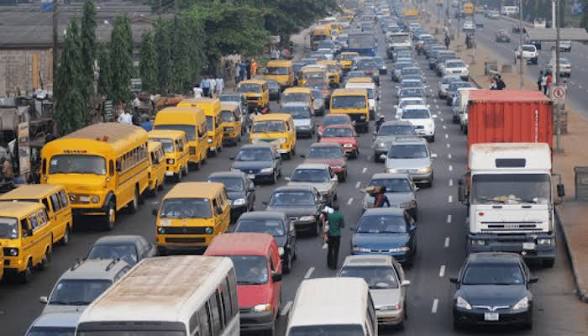
Road safety provides one of the clearest examples of why this distinction matters. As the festive season approaches, increased travel, commercial activity and social engagements can place additional pressure on drivers and transport infrastructure.
The Federal Road Safety Corps (FRSC) has consistently highlighted dangerous driving behaviours, including speeding, distracted driving, fatigue, overloading and driving under the influence of alcohol, among the risks that contribute to road crashes.
Consider the commercial driver determined to complete as many trips as possible before the end of the year. In an effort to increase earnings, the driver may speed, ignore signs of exhaustion, or postpone essential vehicle maintenance. A journey that should end safely can consequently become a life-threatening undertaking.
Similarly, a motorist returning from a party after consuming alcohol may believe that a familiar route poses little danger. Yet alcohol impairs judgement, coordination and reaction time, while fatigue can compromise a driver’s ability to respond to unexpected situations.
Mechanical defects also deserve attention. Worn tyres, faulty brakes, defective lights and poorly maintained vehicles can increase the risk of crashes, particularly when drivers fail to conduct appropriate checks before embarking on long journeys.
Impatience is another danger. Some motorists treat traffic congestion as a personal obstacle to overcome at all costs, resorting to dangerous overtaking, reckless lane changes and disregard for other road users. Such behaviour can turn an ordinary traffic situation into a serious emergency.
These are not mysterious occurrences. They are recognisable risks that call for preventive measures, responsible conduct and stronger compliance with traffic regulations.
In Lagos, the Ember Months coincide with an intense period of commercial, social and recreational activity. Businesses pursue year end targets, traders experience increased demand, families prepare for celebrations, and visitors arrive to participate in the city’s festive offerings.
The growing popularity of Detty December has added another dimension to the season. Concerts, beach parties, club nights, fashion events and other entertainment activities attract residents and visitors, creating additional demands on transport and traffic management.
While these activities contribute to the city’s economic and cultural vibrancy, they also make personal responsibility more important. People travelling between venues, drivers working extended hours and pedestrians navigating busy roads must remain conscious of the risks around them.
Beyond road crashes, other preventable hazards also require attention during the season. Increased commercial and domestic activity can expose people to fire risks arising from faulty electrical installations, unsafe cooking practices, overloaded electrical connections and the careless handling of combustible materials.
Crowded events require adequate emergency exits, appropriate crowd management and effective emergency response arrangements. Households and businesses must also observe basic safety precautions rather than assume that misfortune is a matter of fate.
The broader lesson is that prevention begins with identifying hazards and taking reasonable steps to address them.
Recognising these risks, government safety agencies have continued to use the Ember Months as an opportunity to intensify road safety education and encourage responsible behaviour.
In Lagos, the Lagos State Drivers’ Institute (LASDRI) has organised safety advocacy activities involving motorists and other stakeholders. Its campaigns have included radio jingles, audiovisual messages and sensitisation exercises at motor parks and garages. The Lagos State Traffic Management Authority (LASTMA), Vehicle Inspection Service (VIS) and FRSC also have roles in traffic management, vehicle safety and road safety enforcement.
These efforts are complemented by public enlightenment and communication initiatives through relevant government institutions, including the Ministries of Transportation and Information and Strategy, as well as Lagos Traffic Radio 96.1 FM.
The objective is to ensure that road users understand the practical steps required to prevent crashes, comply with traffic regulations, and cooperate with traffic management officials. Public enlightenment is particularly important because enforcement alone cannot eliminate risky behaviour; individuals must also recognise their responsibility for their own safety and that of others.
Sustained public education, effective enforcement, roadworthiness checks and timely maintenance of infrastructure must work together. Government agencies have responsibilities, but citizens also have an essential role to play.
As another festive season approaches, the challenge is to change the conversation about the Ember Months. Rather than treating the period as a countdown to inevitable tragedy, residents should use it as a reminder to review their habits, identify potential hazards and make safer choices.
Drivers should obey speed limits, avoid alcohol before driving, refrain from using mobile phones behind the wheel and stop to rest when tired. Vehicle owners should ensure that their vehicles are roadworthy, while transport operators must not allow the pressure to increase earnings to compromise passenger safety.
Pedestrians should use appropriate crossing points, remain alert around moving vehicles and avoid unnecessary risks on busy roads. Event organisers and business owners must also prioritise safety in their facilities, while families should exercise caution with electrical appliances, cooking equipment and other potential sources of fire.
Equally important is the responsible sharing of information. Unverified reports about accidents, alleged rituals or mysterious occurrences should not be circulated as facts. Reliable information can help people respond appropriately to genuine threats, while sensational speculation may generate unnecessary panic and distract attention from practical solutions.
Ultimately, the Ember Months are not a sentence of misfortune. They are months in which millions of people continue to work, travel, celebrate and pursue their aspirations. The responsibility is to ensure that these activities are conducted as safely as possible.
Ogunlola is Director, Public Affairs, Lagos State Ministry of Transportation, Alausa, Ikeja
About The Author