Tinubu backs tourism reforms as NIHOTOUR targets jobs, investment
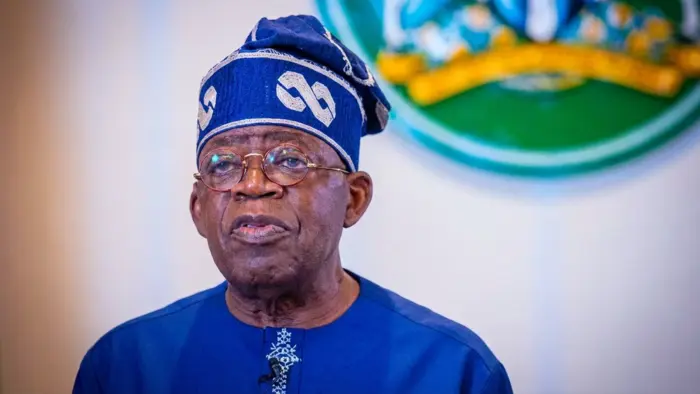
President Bola Tinubu has reaffirmed the Federal Government’s support for reforms in Nigeria’s tourism and hospitality industry, as the National Institute for Hospitality and Tourism (NIHOTOUR) seeks to improve professional standards, attract investment and turn the sector’s potential into jobs and business opportunities.
The President gave the assurance during a meeting with the Director-General of NIHOTOUR, Aare Abisoye Fagade, who briefed him on efforts to implement the NIHOTOUR Act 2022 and strengthen skills development, service quality and accountability across the tourism, hospitality and travel value chain.
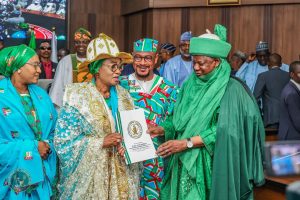
During the engagement, Fagade presented Tinubu with the Grand Fellow of National Hospitality and Tourism (GFNHT), which NIHOTOUR describes as the highest singular honour in Nigeria’s tourism sector.
Beyond the recognition, the meeting centred on the institutional reforms considered necessary to build a more competitive industry capable of attracting tourists, supporting enterprise development and generating income beyond the country’s traditional oil-dependent revenue base.
Fagade said tourism should be treated as an economic sector rather than merely an activity centred on leisure and recreation, given its capacity to support employment, stimulate investment and create opportunities for businesses across the country.
He said NIHOTOUR’s reforms were intended to develop a skilled workforce, raise service standards and establish a more predictable operating environment for businesses in the hospitality and travel industries.
“Our responsibility is to build the professional and institutional foundations that will enable Nigeria’s tourism potential to translate into jobs, investment and sustainable economic growth,” Fagade said.
The economic opportunity extends across hotels, restaurants, transport services, travel agencies, tour operations, entertainment and cultural attractions. Stronger demand for these services can create jobs for young people, expand opportunities for small businesses and increase spending within local economies.
However, translating that potential into commercial growth requires more than improved professional standards. Investors and operators also need clear regulations, effective infrastructure, reliable transportation and constructive engagement with government agencies.
NIHOTOUR’s implementation of the 2022 Act has generated concerns among some industry stakeholders over aspects of regulation, making continued consultation important to achieving the reforms without creating unnecessary uncertainty for businesses. The institute and the Federation of Tourism Associations of Nigeria agreed in September to strengthen dialogue and establish a joint committee to address outstanding concerns surrounding the Act.
The latest engagement with Tinubu provides political backing for the institute’s reform agenda, while placing greater emphasis on the sector’s contribution to economic diversification and employment generation.
NIHOTOUR said it would continue working with government and private-sector stakeholders to improve professional competence and position Nigeria’s tourism and hospitality industry to compete more effectively in domestic, regional and international markets.
The ultimate measure of the reforms will be whether stronger standards and clearer rules encourage investment, improve the quality of services, increase visitor spending and create sustainable jobs for Nigerians.
About The Author