Lagos Unveils 90 Daily Blue Rail Trips, 60m Bus Passengers, 2m Monthly Ferry Users at Transport Sector Briefing
The Lagos State Ministry of Transportation on Monday unveiled an extensive scorecard of achievements across the state’s transportation sector, highlighting major progress in rail expansion, waterways development, intelligent traffic management, road safety reforms, and clean energy transportation initiatives under the administration of Babajide Olusola Sanwo-Olu.
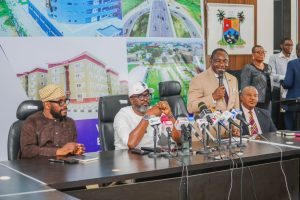
Speaking during the Y2026 Ministerial Press Briefing held at the Bagauda Kaltho Press Centre in Alausa, Ikeja, the Lagos State Commissioner for Transportation, Oluwaseun Osiyemi, said the administration had continued to transform the transportation ecosystem through strategic infrastructure investments and policy reforms aimed at building an integrated multimodal mobility system for Lagos residents.
Osiyemi stated that the transportation sector remained a critical pillar of the administration’s THEMES+ Agenda, particularly in the areas of traffic management, public transportation, infrastructure development, safety enhancement, and environmental sustainability.
According to him, the state government intensified efforts to reduce traffic congestion through targeted junction improvement projects, traffic signal installations, and enforcement operations across major corridors in Lagos.
He disclosed that ongoing traffic intervention works along Toyin Street, Opebi Road, and Allen Avenue were nearing completion, noting that the projects involve road expansion, lane segregation, traffic signalization, and modification of roundabouts to improve traffic flow and support the newly completed Opebi Mende Link Bridge.
The commissioner further revealed that intelligent traffic signal lights had been installed at several strategic intersections across the state, including Awolowo Way in Ikeja, Admiralty Road in Lekki and Ikoyi, Diya Street in Gbagada, Araga Poka Junction in Epe, Bode Thomas in Surulere, and parts of Victoria Island.
He added that solar powered backup systems had also been deployed to sustain operations of traffic lights along Lekki and Ozumba Mbadiwe corridors.
On enforcement activities, Osiyemi said the Lagos State Traffic Management Authority carried out extensive operations across congestion prone corridors such as Idumota Ebute Ero, Oyingbo Costain, Lekki Ajah, Oshodi, CMS Marina, Mile 12, Apapa Wharf, and Alimosho.
According to him, the operations focused on removal of illegal parks, evacuation of abandoned vehicles, restoration of lane discipline, and enforcement against obstruction of highways and BRT corridors.
The commissioner disclosed that the state also strengthened technology driven enforcement through the deployment of smart handheld devices and Automated Number Plate Recognition systems to improve traffic monitoring and compliance enforcement.
Presenting figures from the ministry’s report, Osiyemi said more than 1.1 million roadworthiness certificates were issued within the review period, while over 737,000 traffic violations were captured through intelligent surveillance systems operated by the Lagos State Vehicle Inspection Service.
He also disclosed that the Lagos State Drivers Institute conducted over 45,000 driver trainings between May 2025 and April 2026 as part of efforts to improve road safety and driver professionalism across the state.
On rail transportation, the commissioner said the Lagos Rail Mass Transit Blue Line had witnessed significant operational improvements, with daily train trips increasing from 57 to 90 in 2025 following the acquisition of additional train coaches by the state government.
He added that the Blue Line currently records about 15,000 passengers daily, while work continues on Phase Two of the project extending from Mile 2 to Okokomaiko.
Osiyemi further stated that the Red Line rail project connecting Agbado to Oyingbo had also been strengthened with the procurement of new train coaches, while plans for the Green Line rail corridor linking Marina to the Lekki Free Trade Zone were progressing following agreements signed with international partners.
On bus transportation, the commissioner said Lagos Bus Services Limited had transported more than 60 million passengers since inception and currently moves over 42,000 commuters daily across more than 40 routes statewide.
He noted that the state government continued to subsidize public transportation to make commuting affordable for residents, while reforms under the Bus Reform Initiative were aimed at replacing informal operations with safer, regulated, and technology driven transport services integrated through the Cowry Card payment system.
Speaking on waterways transportation, Osiyemi said Lagos was recording increasing patronage of ferry services, with nearly two million commuters now using inland waterways monthly.
He disclosed that the Lagos State Waterways Authority and Lagos Ferry Services had intensified waterways safety campaigns, distributed life jackets across riverine communities, upgraded ferry terminals, and expanded ferry routes to improve connectivity across the state.
The commissioner also highlighted ongoing efforts to modernize Lagos transportation through clean energy initiatives, including deployment of electric buses, conversion of buses to Compressed Natural Gas, and implementation of the OMI EKO electric ferry project.
According to him, pilot electric buses deployed on BRT corridors transported more than 150,000 passengers within 90 days while significantly reducing carbon emissions.
Osiyemi said the state government was equally pursuing long term environmental sustainability goals through investments in electric rail systems, biogas feasibility projects, and cleaner fuel alternatives for public transportation and haulage operations.
He reiterated the administration’s commitment to delivering a seamless, safe, integrated, and sustainable transportation network capable of supporting Lagos’ growing population and economic aspirations.
“Our goal is to ensure that Lagosians have access to a transportation system that is affordable, efficient, environmentally sustainable, and fully integrated across road, rail, and waterways,” the commissioner said.
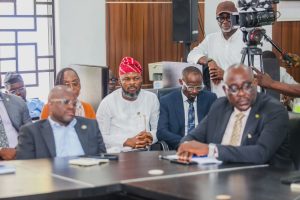
Earlier in his welcome address, the Lagos State Commissioner for Information and Strategy, Gbenga Omotoso, emphasized the importance of the ministerial press briefing as a platform to keep residents informed about government policies, projects, and achievements across critical sectors of the state economy.
In the vote of thanks, Olawale Musa appreciated members of the media for their continued support, feedback, and observations toward improving governance and development in the state.
He urged residents and journalists to remain vigilant and report suspicious activities or acts capable of undermining public order through appropriate government channels.
“When you see something, say something,” he said.
About The Author