Nigeria-China trade hits $18bn as FG targets export boost from protocol
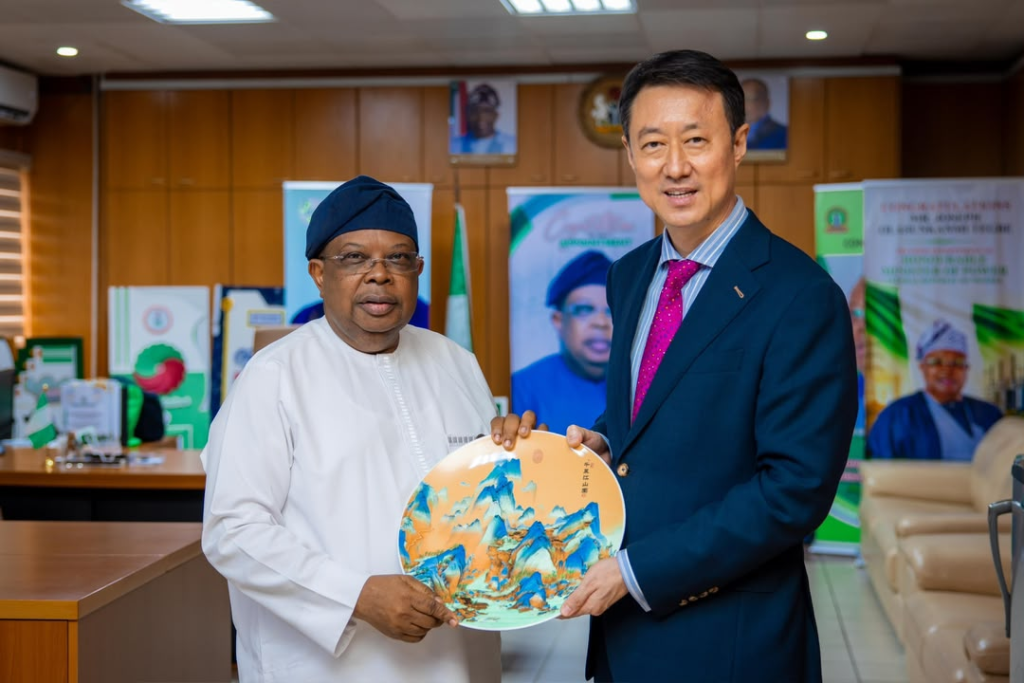
Nigeria and China recorded $18 billion in bilateral trade in the first half of 2026, as the Federal Government moved to fast-track implementation of a new aquatic products protocol expected to give eligible Nigerian seafood exports zero-tariff access to China’s 1.4 billion-consumer market.
The development could open a major new export channel for Nigerian businesses and increase foreign exchange earnings if local producers can meet Chinese market, quality and certification requirements.
The Minister of Power, Joseph Tegbe, who spoke during a reception for the Chinese Ambassador to Nigeria, Yu Dunhai, following the signing of the Nigeria-China Aquatic Products Protocol, urged Nigerian exporters to move quickly to capture the opportunity.
The trade figure for the first six months of 2026 already represents a substantial increase in scale compared with the $28 billion recorded for the whole of 2025, according to the Minister.
Tegbe said swift implementation of the protocol would be critical to converting the agreement into higher exports, stronger business opportunities and increased foreign exchange inflows.
The agreement, concluded after nearly five years of negotiations, provides zero-tariff access to China for eligible Nigerian aquatic products, potentially improving their competitiveness in one of the world’s largest consumer markets.
Tegbe said the agreement could also help accelerate other trade initiatives, including the proposed Zero Tariff Agreement for African countries, while urging Nigerian exporters and businesses to take advantage of the opening.
Ambassador Yu said the Chinese government was committed to supporting implementation and facilitating access for qualified Nigerian products.
He said bilateral trade increased by 35 per cent in the first half of 2026, while Nigerian exports to China rose by 80 per cent, highlighting what he described as significant room for deeper trade cooperation.
The increase in exports is particularly important for Nigeria, where the Federal Government is seeking to diversify foreign exchange earnings beyond crude oil and expand non-oil exports.
For the aquatic sector, the zero-tariff arrangement could improve the economics of exporting fish and seafood by reducing tariff costs and increasing the competitiveness of Nigerian products against suppliers from other markets.
The Nigeria Agricultural Quarantine Service (NAQS) said it would provide the compliance support required to enable Nigerian exporters meet international market standards.
Its Comptroller-General, Dr Vincent Isegbe, said the agency was also exploring the potential for similar market-access arrangements covering other agricultural and fishery products.
He said the global demand for aquatic products presented an opportunity that could significantly expand Nigeria’s exports to China if properly developed.
The private sector has also indicated readiness to take advantage of the agreement.
Atlantic Shrimpers, which has engaged with the Chinese market since 2018, said it had already identified buyers and was prepared to commence exports.
The major challenge will now be converting the diplomatic and trade agreement into actual shipments.
This will require Nigerian exporters to strengthen production capacity, meet food-safety and quarantine standards, maintain reliable cold-chain and logistics infrastructure and ensure consistent supply at competitive prices.
The protocol therefore represents more than a tariff concession. Its economic value will depend on Nigeria’s ability to build an export ecosystem capable of moving seafood from local producers to Chinese consumers efficiently and at scale.
For Nigeria, a successful implementation could improve foreign exchange earnings, create jobs across fishing, aquaculture, processing, logistics and export services, and encourage investment in a sector with significant potential for value addition.
The agreement also comes as Nigeria and China seek to deepen wider economic cooperation in trade, infrastructure and investment, with the Nigeria-China Strategic Partnership continuing to serve as a platform for expanding commercial ties.
The immediate priority, however, is execution.
With bilateral trade already reaching $18 billion in six months and Nigerian exports to China reportedly rising sharply, stakeholders said the aquatic protocol should now translate into measurable export volumes, new investment and sustainable opportunities for Nigerian businesses.
About The Author