NGX rallies to 58.33% YTD as investors weigh profit-taking
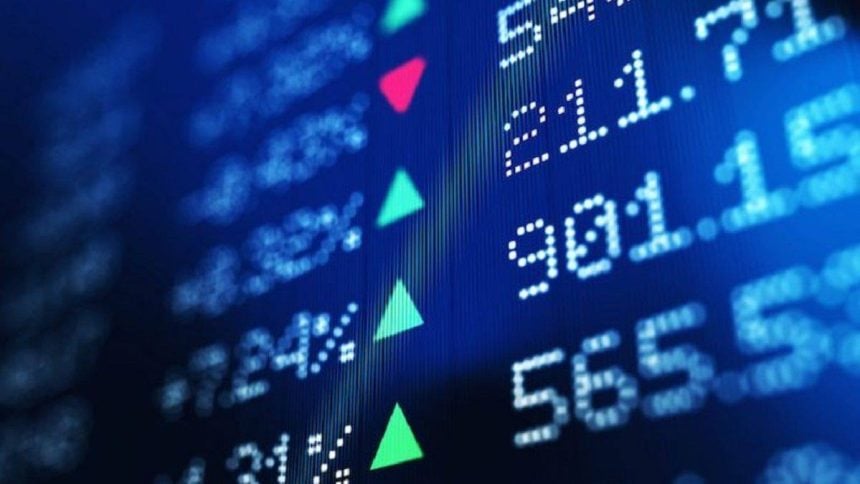
Investors retained their appetite for Nigerian equities on Thursday, pushing the NGX All-Share Index up 0.15 per cent as a fresh 10 per cent surge in Seplat Energy helped the market extend its already exceptional 58.33 per cent year-to-date return.
The benchmark index closed at 246,388.22 points, up from 246,019.17 points in the previous session, while total market capitalisation increased by 0.15 per cent to N159.15 trillion.
For investors, however, the headline gain tells only part of the story. Market breadth weakened significantly, with 36 stocks declining against just 21 gainers, suggesting that buying interest was concentrated in a relatively small number of counters rather than representing a broad-based market rally.
Seplat Energy was the standout performer, climbing the maximum 10 per cent, while FCMB and Dangote Sugar each gained 1.41 per cent. Their gains helped offset declines in Aradel, AIICO Insurance and Cornerstone Insurance, which fell 5.84 per cent, 4.63 per cent and 9.86 per cent respectively.
The divergence is important for investors after months of exceptionally strong market appreciation. With the NGX already up more than 58 per cent this year, the latest session shows that investors are becoming increasingly selective, rotating into counters offering stronger perceived earnings or sector-specific catalysts while reducing exposure to others.
Trading activity provided another signal. Total volume rose just 1.68 per cent to 434.02 million units, while transaction value increased 3.03 per cent to N29.30 billion. UBA dominated activity, with 113.26 million shares worth N5.23 billion changing hands.
Yet the combination of a rising index and negative breadth suggests that the market’s gains are being driven by selected heavyweight or high-performing stocks rather than an across-the-board increase in investor confidence.
That could become increasingly important as investors assess valuations following the market’s powerful run.
On the alternative NASD market, investors also pushed the index higher, with the NASD Securities Index gaining 0.80 per cent to 4,468.63 points and market capitalisation reaching N2.68 trillion.
The OTC market’s year-to-date return improved to 26.10 per cent, although the rally was accompanied by significantly lower trading activity. Volume fell 38.38 per cent to 716,755 units, while transaction value declined 57.58 per cent to N44.01 million.
The stronger naira remains another factor investors are likely to monitor closely. The Nigerian Foreign Exchange Market rate appreciated 0.21 per cent to N1,326.69/$, potentially providing some relief for companies with foreign-currency obligations or imported inputs.
For equity investors, sustained currency stability could also improve the outlook for corporate earnings by reducing the naira cost of dollar-denominated liabilities and imported inputs, although the benefit will vary considerably across sectors and companies.
Global developments are meanwhile creating a more complicated backdrop for asset allocation.
US jobless claims increased marginally to 206,000, while continuing claims rose to 1.779 million, suggesting a labour market that is cooling but not deteriorating sharply. Investors are awaiting the August payroll report, with expectations for only 56,000 new jobs and unemployment at 4.1 per cent.
The data could influence expectations around US monetary policy, particularly as persistent inflation remains a concern. Any shift in global interest-rate expectations could affect capital flows into emerging and frontier markets, including Nigeria.
Crude oil is also becoming an increasingly important variable for Nigerian investors. Oil prices rose amid renewed US-Iran military confrontation and concerns about disruptions around the Strait of Hormuz, while US inventories fell by 4.5 million barrels.
Higher oil prices could support Nigeria’s external position and fiscal revenues, particularly as crude output improves. But a prolonged geopolitical shock could also reignite global inflation and keep international interest rates higher for longer, creating competing forces for Nigerian assets.
The key message from Thursday’s session for investors is therefore not simply that the NGX gained 0.15 per cent.
It is that the market remains exceptionally profitable year-to-date, but the breadth of the rally is narrowing.
With the ASI up 58.33 per cent in 2026, investors may increasingly shift from chasing the index to identifying companies with the earnings, balance-sheet strength and sector fundamentals capable of justifying further upside.
About The Author