NAICOM shifts insurance focus from capital to economic capacity
Nigeria’s insurance industry must convert the fresh capital raised through its recently completed recapitalisation into greater capacity to underwrite businesses, protect investments and support economic growth, the National Insurance Commission (NAICOM) has said.
Commissioner for Insurance and Chief Executive Officer of NAICOM, Olusegun Ayo Omosehin, said the success of the reform should no longer be measured by the amount of capital mobilised by insurers, but by what the stronger balance sheets deliver for policyholders and the wider economy.
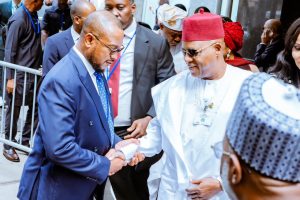
Speaking at the BusinessDay Insurance Conference 2026, themed “From Capital to Capacity: Driving Growth, Innovation and Trust in Nigeria’s Insurance Sector”, Omosehin said capital was only meaningful when translated into stronger underwriting, better claims-paying capacity, innovation and improved customer service.
The position puts the insurance sector at the centre of Nigeria’s broader investment and economic development agenda. A stronger insurance industry can provide the risk cover required for infrastructure, manufacturing, agriculture, the digital economy and other large-scale investments, while helping businesses absorb losses and continue operating after major disruptions.
Omosehin said Nigeria’s expanding population, infrastructure investments, digital economy, agricultural transformation and growing middle class were creating significant demand for insurance products, but the industry required sufficient institutional capacity to capture those opportunities.
He said insurers must be able to underwrite larger and more complex risks, retain more risks within the domestic market and extend protection to underserved communities.
The regulator also identified claims settlement as a critical test of whether the additional capital is creating real value for Nigerians.
According to Omosehin, the ultimate measure of an insurer is not the number of policies it sells, but how effectively it responds when policyholders suffer losses. He said every properly settled claim strengthens confidence in the industry, while delayed or unresolved claims undermine trust.
The emphasis on trust comes as the industry seeks to increase insurance penetration in an economy where millions of households and businesses remain inadequately protected against major financial risks.
Omosehin also called for greater adoption of technology, data analytics and artificial intelligence to make insurance products more affordable, accessible and responsive to changing consumer needs.
He said the risks facing Nigerian businesses were becoming more complex, covering cyber threats, climate-related exposures, supply-chain disruptions, artificial intelligence, pandemics and geopolitical shocks.
These risks require insurers with stronger financial capacity and specialised expertise capable of providing cover for increasingly sophisticated economic activities.
The commissioner also stressed the importance of developing human capital, saying financial resources alone could not create a stronger industry without professionals capable of managing emerging risks and deploying modern insurance solutions.
For the economy, the importance of the post-recapitalisation phase is clear. Insurance provides a financial safety net for companies making investments, helps lenders manage risk and can strengthen investor confidence in major projects.
Omosehin said the industry must therefore become a stronger strategic enabler of Nigeria’s economic transformation by supporting entrepreneurship, investment, financial inclusion and economic resilience.
The message from the regulator is that the recapitalisation should mark the beginning of a new phase, not the completion of reform. The real economic test will be whether the stronger balance sheets produce stronger insurers, faster claims, wider coverage and greater capacity to protect the investments needed to grow the Nigerian economy.
About The Author