UN: Tinubu demands global finance reset as debt costs squeeze Africa
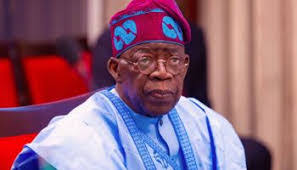
President Bola Ahmed Tinubu has called for a radical overhaul of the global financial architecture, arguing that the existing system is restricting the ability of African countries to finance infrastructure, industrialisation and social development while imposing disproportionately high borrowing costs on developing economies.
Speaking in an address delivered by Vice President Kashim Shettima at the 81st United Nations General Assembly in New York, Tinubu said the world could no longer operate with economic and political institutions designed around the distribution of power in 1945.
He called for wider access to concessional financing, stronger debt sustainability frameworks and greater participation of developing countries in global economic decision-making, arguing that inadequate financing remains one of the biggest obstacles to sustainable development.
“One of the greatest obstacles to sustainable development is inadequate financing,” he said, stressing that many developing countries spend substantial portions of their resources servicing debt at the expense of education, healthcare and infrastructure.
The demand has direct implications for Nigeria, which is seeking to expand productive investment while managing a large domestic and external debt burden. In May, Tinubu said Nigeria was projected to spend about $11.6 billion on debt service in 2026, describing the cost of servicing expensive debt as a major constraint on investment in productive sectors. The Presidency has projected Nigeria’s debt-to-GDP ratio at 32.3 per cent for 2026.
Tinubu argued that the international financial system should better reflect the economic realities of developing countries and provide financing structures capable of supporting long-term investment at affordable rates.
The issue is particularly significant for Africa, where high borrowing costs can make infrastructure, power, transport, manufacturing and climate-related projects financially difficult to execute. The World Bank has warned that high public debt, elevated borrowing costs and reduced concessional financing are limiting fiscal space across sub-Saharan Africa and constraining investment needed to support private-sector growth.
Tinubu also linked economic reform of global institutions to wider changes in the United Nations, calling for Africa to have at least two permanent seats on the Security Council, with full rights and responsibilities, including veto power for as long as the veto exists, as well as five non-permanent seats.
He argued that Africa should no longer remain largely absent from institutions whose decisions affect global peace, security, trade, development and financing.
Beyond debt and international finance, Tinubu called for greater fairness in climate financing, saying African countries should be allowed to industrialise, reduce poverty and expand energy access while pursuing lower-carbon development.
He reaffirmed Nigeria’s commitment to the Paris Agreement and a net-zero emissions target by 2060, but said the transition must be supported by technology transfer, investment and climate finance.
The President also said Nigeria would continue to expand digital infrastructure and technology entrepreneurship, arguing that artificial intelligence should be deployed as a tool for economic and human development rather than treated simply as a technological threat.
His position reflects a broader economic argument that developing countries need access to cheaper and longer-term capital if they are to diversify production, improve infrastructure and create jobs fast enough to meet growing populations.
For Nigeria, the stakes are immediate. Every dollar committed to debt servicing is unavailable for roads, power, education, healthcare and industrial investment, while higher sovereign borrowing costs can also raise the cost of capital across the private sector.
Tinubu’s address therefore places Nigeria’s reform agenda within a larger debate over who controls the rules of global finance and who bears the cost of accessing capital.
The central message from Abuja is that Africa is seeking not merely a larger voice in international institutions, but a financial system that gives developing economies greater capacity to invest, compete and grow.
About The Author