Nigeria rebuilds $54.9bn FX buffer as naira holds near N1,330/$
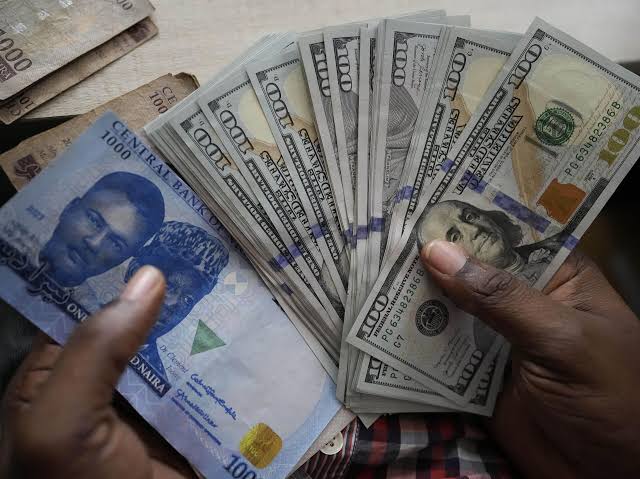
Nigeria’s foreign exchange reserves have risen by $9.29 billion in the first nine months of 2026, giving the Central Bank of Nigeria (CBN) its strongest dollar buffer in years as the naira holds broadly stable around N1,330 to the dollar and N1,760 to the pound.
CBN data showed gross external reserves increased from $45.57 billion on January 2 to $54.86 billion on September 24, representing a 20.4 per cent gain. The increase is more than seven times the $1.32 billion rise recorded during the corresponding period of 2025.
The latest reserve level is also $3.82 billion above the CBN’s projected year-end target of $51.04 billion, meaning the central bank surpassed its full-year projection before the end of the third quarter.
The stronger external position is increasingly being reflected in the foreign exchange market.
The official naira-dollar rate stood at about N1,329.51 on Monday, September 28, compared with N1,328.67 at the end of the previous trading week, representing only a marginal weakening. The official naira-pound rate stood at N1,762.40, up from N1,758.36 on Friday, indicating a more modest weakening against sterling as the pound strengthened internationally.
The parallel market remains considerably weaker, with the dollar quoted around N1,375-N1,385 on Monday and the pound around N1,860-N1,880, although informal-market rates vary by dealer and location.
The continued accumulation of reserves is important for the economy because it gives Nigeria a larger pool of foreign currency with which to meet external obligations, finance legitimate imports and absorb temporary shocks without placing excessive pressure on the naira.
For manufacturers and other import-dependent businesses, greater FX stability can improve planning by reducing uncertainty over the cost of machinery, raw materials, pharmaceuticals and other imported inputs. A more predictable exchange rate can also reduce the speed at which currency movements feed into domestic prices.
The reserve build-up has coincided with stronger foreign capital inflows. Nigeria attracted $10.37 billion in foreign capital in the first quarter of 2026, an 83.8 per cent increase from $5.64 billion a year earlier. Portfolio investment was particularly strong, although analysts have warned that such inflows are more sensitive to interest rates and changes in investor sentiment than long-term productive investment.
Higher oil receipts, stronger crude production, remittances, non-oil exports and increased portfolio inflows have all contributed to improved foreign exchange liquidity, while recent reforms have encouraged more transactions through the formal market.
However, the size of the reserve buffer should not be confused with permanent foreign exchange earnings. A durable improvement will depend on maintaining oil output while expanding non-oil exports, attracting foreign direct investment and sustaining remittance inflows.
The naira’s relative stability therefore comes at an important moment. The currency is no longer facing the acute dollar shortages that characterised earlier periods of the foreign exchange crisis, while the CBN now has a significantly larger reserve cushion.
The next test is whether Nigeria can convert the $54.86 billion reserve buffer into lasting FX-market stability, narrower gaps between official and parallel rates and more predictable access to dollars for businesses and investors.
About The Author