AfDB targets lower borrowing costs as Africa tackles credit-rating gap
The African Development Bank (AfDB) is moving to help African governments strengthen their sovereign credit ratings and lower borrowing costs by improving the quality of economic data, transparency and engagement with international rating agencies.
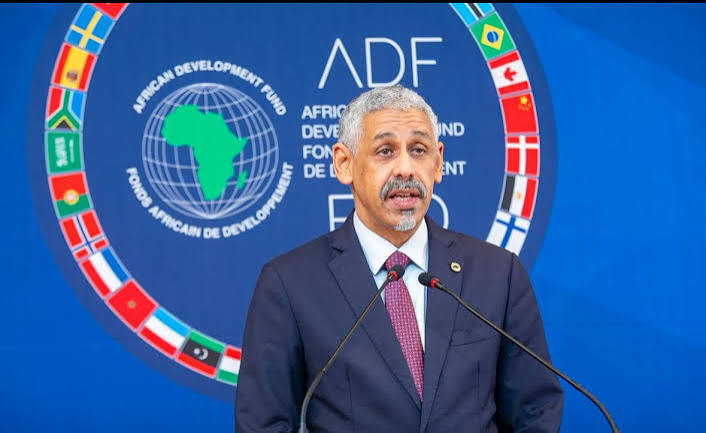
AfDB President Sidi Ould Tah said the initiative would address information gaps and weak market infrastructure that can cause investors and ratings agencies to perceive African economies as riskier than their underlying fundamentals suggest.
“What is missed in Africa is the data and the infrastructure…the opacity in some markets creates this notion of high risk, which leads to high cost of borrowing,” Tah said at the S&P emerging markets conference in London on Thursday.
Read Also: East Africa gets $16bn refinery boost as Lamu project targets 60,000 jobs
The initiative, to be implemented through the African Legal Support Facility (ALSF), will help governments prepare more effectively for sovereign credit assessments and provide ratings agencies with clearer and more comprehensive information on their economies.
The push comes as African governments face elevated borrowing costs that continue to constrain fiscal space for infrastructure, healthcare, education and other development spending.
Only three of Africa’s 54 countries currently have investment-grade sovereign ratings, according to Reuters. Most African sovereigns therefore borrow at higher risk premiums in international markets, making debt more expensive and reducing the amount of public resources available for development.
The problem is not limited to the availability of capital. The quality of information available to investors also influences the price at which African governments can access that capital.
The AfDB’s approach therefore focuses on helping governments improve the reliability and timeliness of economic data, strengthen transparency and develop the institutional capacity required to engage effectively with rating agencies.
The African Legal Support Facility has identified sovereign credit ratings as an important determinant of borrowing conditions because ratings influence investors’ assessments of creditworthiness, bond yields and access to international capital markets.
For African economies, a lower risk premium could have a significant fiscal impact. Every reduction in the interest rate paid on sovereign debt potentially releases funds that governments can redirect towards productive investment instead of debt servicing.
The initiative comes alongside a separate African Union-backed effort to establish an Africa-wide credit rating agency, with the African Peer Review Mechanism expected to launch the African Credit Rating Agency this month. Reuters reported that the new agency is intended to provide another mechanism for addressing concerns around how African sovereign risk is assessed.
The AfDB is also pushing to deepen domestic capital markets so African governments can mobilise a greater share of their financing from local savings rather than relying heavily on expensive external borrowing.
Tah said the bank had been engaging pension funds, banks and other market participants to identify obstacles to stronger domestic capital markets and domestic resource mobilisation.
The effort is particularly relevant for countries seeking to finance large infrastructure projects. Higher borrowing costs can make roads, railways, power projects and other investments more expensive to fund, potentially delaying projects or increasing their eventual cost to taxpayers.
The initiative also has implications for the private sector because sovereign borrowing costs often influence the wider cost of capital in domestic financial markets. A government perceived as less risky can potentially borrow more cheaply, creating a stronger benchmark for companies seeking long-term financing.
The AfDB’s push therefore extends beyond improving how African countries are viewed by rating agencies. It is an attempt to reduce the information and perception gap that can translate into higher financing costs across the economy.
For Africa, the economic prize is substantial: better data, greater transparency and stronger engagement with investors could improve sovereign credit profiles, reduce risk premiums and expand the fiscal room available for the investment needed to accelerate growth.
About The Author