N1.23trn power rescue faces test as grid output plunges 62%
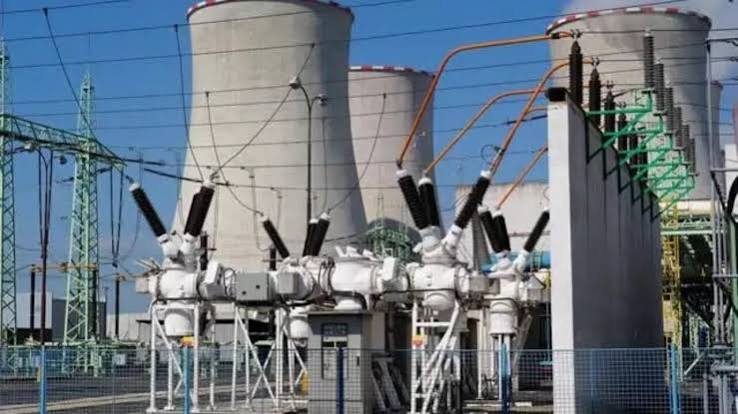
Nigeria’s N1.23 trillion power-sector debt rescue is facing a critical test as electricity generation reportedly plunged by about 62 per cent in less than two weeks, with 16 generating plants recording zero output amid persistent supply disruptions.
The development has renewed concerns over whether the Federal Government’s multitrillion-naira intervention to clear accumulated debts owed to electricity generation companies (GenCos) and gas suppliers can translate into more reliable electricity for households, manufacturers and businesses.
Data from the Nigerian Independent System Operator (NISO) dashboard showed that electricity generation stood at 2,033.66 megawatts as of 3pm on October 5, with only 13 generating plants recording output. This compared with 5,403 megawatts of available generation reported on September 24, representing a decline of more than 3,300MW.
Among the plants reported to have recorded zero generation were Egbin, Jebba, Kainji, Geregu NIPP, Olorunsogo NIPP, Okpai, Rivers Independent Power Plant, Trans Afam Power, Afam III Fast, Alaoji NIPP, Delta and Ihovbor, alongside other facilities.
The figures illustrate the fragility of Nigeria’s electricity supply and the difficulty of sustaining generation despite significant financial commitments to the sector. However, the available data do not establish the specific reasons each plant was offline, including whether gas shortages, technical faults, maintenance or transmission constraints were responsible.
The reported decline comes weeks after the Federal Government announced that it had raised more than N1.23 trillion through two bond issuances under the Presidential Power Sector Debt Reduction Programme, designed to settle verified legacy obligations across the electricity value chain.
The second issuance raised N728.9 billion, comprising N402 billion in cash bonds and N326.9 billion in non-cash bonds allocated to participating GenCos. This followed the N501 billion raised through the first series in January.
The two issuances form part of a broader N4 trillion programme intended to address accumulated liabilities that had weakened the financial positions of power generators and gas suppliers.
The government’s verification exercise had reduced outstanding claims from more than N4 trillion to about N3.3 trillion after a review of the services rendered and amounts owed.
The intervention is intended to restore cash flow across the sector, enabling generating companies to meet obligations to gas suppliers, lenders and maintenance contractors while creating room for renewed investment.
Yet the latest generation figures highlight the distinction between settling historical debts and fixing the operational constraints that determine how much electricity reaches consumers.
Nigeria’s electricity industry depends on a chain involving gas production and supply, power generation, transmission, distribution and revenue collection. A disruption at any point can reduce electricity delivered to the grid, regardless of the financial resources committed elsewhere.
For gas-fired plants, reliable feedstock is essential. Generating companies also need to maintain equipment and finance repairs, while transmission constraints can prevent available electricity from reaching distribution companies. Weak revenue collection and persistent payment shortfalls can, in turn, undermine investment across the entire value chain.
The implications for the economy are substantial. When grid supply deteriorates, manufacturers and small businesses must spend more on petrol and diesel generators, increasing production costs and squeezing profit margins. Some businesses reduce operating hours or production, while higher energy and distribution expenses can feed into prices paid by consumers.
Households face the same pressure through additional fuel expenditure, generator maintenance and the cost of alternative power systems, even when they continue paying electricity bills.
The Federal Government has also acknowledged the need to address the commercial weaknesses of the market alongside its legacy debts. Finance Minister Taiwo Oyedele has stressed that debt settlement must be accompanied by improved revenue assurance, stronger market discipline, lower technical and commercial losses and greater accountability.
This is central to preventing the sector from accumulating another cycle of unpaid obligations after the current debts are settled.
The reported shutdowns do not, by themselves, prove that the N1.23 trillion intervention has failed, just as the amount raised cannot independently demonstrate that the electricity crisis is being resolved.
The real test is whether the funds produce measurable improvements in gas deliveries, plant availability, electricity generation and power supplied to distribution companies. Regular publication of those indicators, alongside transparent reporting of bond disbursements and outstanding liabilities, would help establish whether the rescue is delivering results.
Until the financial intervention translates into sustained increases in electricity supply, Nigerian households and businesses will continue to bear the economic cost of a power sector in which large sums are committed to clearing old debts while reliable electricity remains elusive.
About The Author