FG steps up CNG drive to cut transport costs, targets one million vehicles
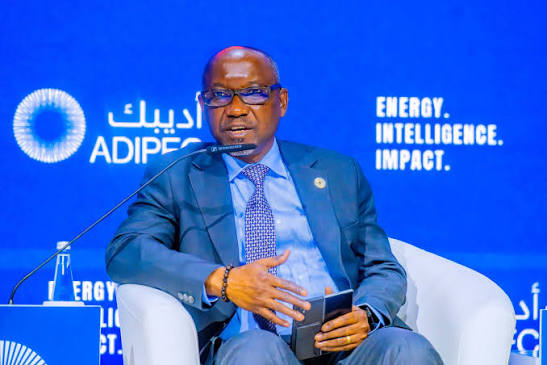
The Federal Government is stepping up efforts to expand the use of compressed natural gas (CNG) in transportation, targeting the rollout of one million CNG-powered vehicles as rising fuel costs continue to strain household incomes and business operating expenses.
The renewed push places greater emphasis on refuelling infrastructure, vehicle conversions and private-sector investment, as the government seeks to turn Nigeria’s abundant gas resources into cheaper transport and wider economic benefits.
Minister of State for Petroleum Resources (Gas), Ekperikpe Ekpo, gave the directive in Abuja after receiving progress reports from the Presidential Initiative on Compressed Natural Gas and Electric Vehicles (Pi-CNG & EV) and the Decade of Gas Secretariat.
He urged both bodies to accelerate implementation of the Federal Government’s Auto CNG policy, stressing that the programme must deliver tangible relief to Nigerians following the removal of the petrol subsidy.
Nigeria’s gas reserves and growing domestic supply offer an opportunity to reduce dependence on petrol for transportation. However, the economic benefits will depend on how quickly vehicle owners can convert to CNG, how widely refuelling stations become available and whether the savings are reflected in transport fares.
Ekpo said the government would continue supporting investment in the infrastructure and equipment required to expand adoption, describing CNG as a means of lowering transportation costs, increasing domestic gas consumption and stimulating economic activity.
“Nigeria is a gas nation with a gas reserves index of over 80 years, and that is why we are talking about the Decade of Gas,” he said, adding that the administration remained committed to making transportation more affordable through CNG.
The minister also disclosed that domestic gas supply had risen above two billion cubic feet per day for the first time in Nigeria’s history, highlighting the potential to channel more of the country’s gas resources into local industries and transport.
Pi-CNG & EV Chairman, Ismaeel Ahmed, said the initiative would step up investments and programmes to expand refuelling infrastructure and increase vehicle conversions nationwide.
He said a joint industry market study completed by the Decade of Gas Secretariat would guide implementation, help identify infrastructure gaps and provide a framework for tracking progress towards wider CNG adoption.
Coordinator of the Decade of Gas Secretariat, Ed Ubong, described CNG as an important component of Nigeria’s energy transition, adding that the secretariat would continue supporting efforts to increase domestic gas utilisation and export opportunities.
The push comes as transport costs affect the movement of workers, agricultural produce and manufactured goods, with implications for food prices, business expenses and household purchasing power.
For the programme to deliver lasting economic relief, infrastructure expansion and vehicle conversions will need to keep pace with demand. Wider access to CNG could reduce exposure to petrol price shocks, but the scale of savings will depend on fuel prices, conversion costs and the availability of reliable refuelling services.
About The Author