Fuel, wage squeeze: NLC gives FG October 27 deadline over workers’ demands
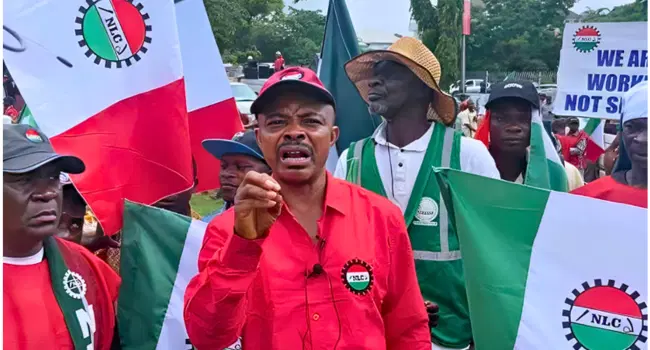
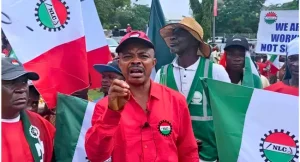
The Nigeria Labour Congress (NLC) has given the Federal Government five days to make concrete progress on demands for lower petrol prices, minimum wage renegotiation and outstanding workers’ benefits, warning that failure to reach an agreement on October 27 could trigger nationwide mobilisation and possible industrial action.
The ultimatum follows the breakdown of a meeting between government representatives and organised labour in Abuja on Thursday, with no firm commitments secured on issues the union says are worsening the cost-of-living crisis and eroding workers’ purchasing power.
The dispute comes as petrol prices remain around N1,400 per litre in many locations, with some filling stations charging up to N1,500, increasing the cost of commuting, transporting goods and running businesses. For workers earning the current N70,000 monthly minimum wage, higher transport and food bills leave less income for rent, healthcare, education and other essentials.
In a statement, NLC Acting General Secretary, Benson Upah, said labour had presented its demands in good faith but was disappointed that the government delegation lacked the necessary authority to negotiate substantive solutions.
Among the demands are a reduction in petrol prices to levels prevailing when the current national minimum wage was signed into law in 2024, renegotiation of the minimum wage, implementation of agreed tax relief measures and resolution of outstanding agreements affecting public-sector workers.
The congress also wants the government to conclude the terms of settlement for the Joint Health Sector Unions (JOHESU) and address the Joint Public Service Negotiating Council’s demands for peculiar allowances, wage awards and hazard allowances.
According to the NLC, the government requested that the meeting be adjourned until Tuesday, October 27, to allow relevant ministers and heads of departments and agencies to participate with the necessary mandates to negotiate.
The outcome will be important for both industrial relations and the wider economy. Another breakdown could raise the prospect of industrial action, potentially disrupting public services, transport and business activity at a time when households and employers are already contending with elevated energy and operating costs.
The union’s demand for a return to 2024 petrol prices also highlights the unresolved tension between the government’s fuel-market reforms and workers’ ability to absorb the resulting costs. While lower pump prices would offer immediate relief, the wider challenge is how to protect purchasing power without creating unsustainable fiscal obligations.
High fuel costs feed into transport fares, food distribution and business overheads, leaving workers exposed to price increases even when their nominal wages remain unchanged. For employers, pressure to improve pay comes alongside rising operating expenses and the need to maintain profitability.
Upah said the congress remained committed to dialogue but would not accept indefinite delays. He urged the NLC’s affiliates, state councils and civil society allies to prepare for possible nationwide action while its leadership awaits the outcome of Tuesday’s meeting.
The NLC’s organs will determine the next course of action if the government fails to demonstrate meaningful progress.
The October 27 deadline therefore gives both sides a narrow window to prevent a dispute over wages, fuel prices and outstanding benefits from escalating. Whether the meeting produces measurable commitments will determine if negotiations can ease pressure on workers or the country faces a fresh confrontation between organised labour and the Federal Government.
About The Author