Child Marriage Steals Girls’ Childhood, YCISI Conference Urges Parents to Invest in Their Future
Speakers at the 2026 International Day of the Girl Child Conference organised by the Young Child In School Initiative (YCISI) have called on parents, communities and government authorities to intensify efforts to end child marriage and protect girls’ rights, education and future aspirations.
The virtual conference, held via Zoom on October 23, 2026, was themed “End Child Marriage and Invest in Girls’ Rights.” It brought together advocates and professionals to discuss child protection, parental responsibility, education, legal safeguards and the need to prepare girls for opportunities beyond marriage.
The event was convened by Adeola Shittu, Founder and Convener of YCISI, while Aderayo Olaiya, a health journalist and wellness advocate, served as the event anchor.
In her opening remarks, Adeola stressed the importance of sustained advocacy, education and collective action in addressing child marriage, noting that the challenge extends beyond Nigeria and affects communities across the world.
She welcomed the speakers and participants, some of whom had supported previous YCISI activities, and expressed hope for more direct engagement with girls through future advocacy programmes.
Adeola urged participants to contribute actively to the discussion, emphasising that although ending child marriage may not happen overnight, consistent advocacy and collective efforts can help protect girls and strengthen their understanding of their rights.
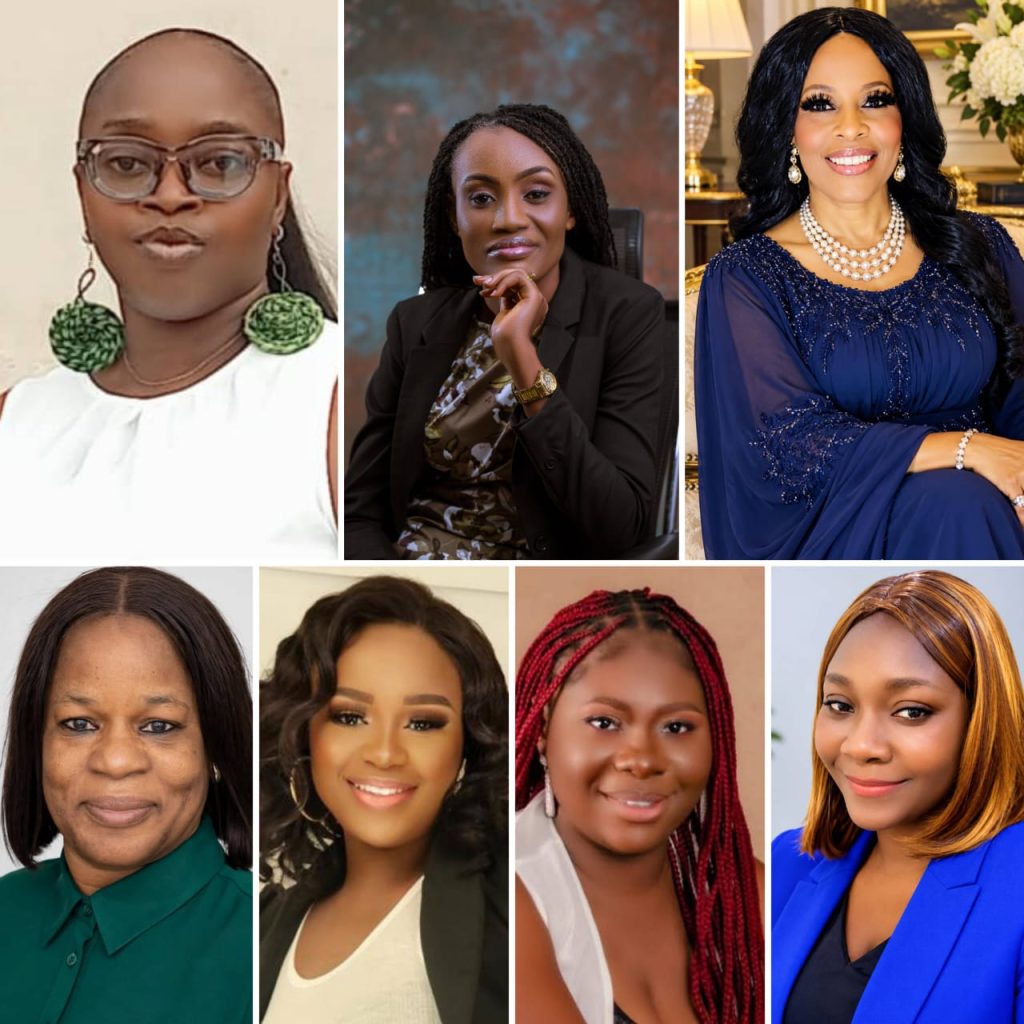
Amina, an experienced public relations and media relations professional and Group Head of Media Services at Mediacraft Associates, Lagos, spoke on Child Marriage: The Consequences for a Girl’s Childhood, Wellbeing and Future.
A certified marriage counsellor and family coach, she highlighted the physical, emotional and social consequences of marrying girls before they are ready for adulthood.
She explained that child marriage can interrupt education, separate girls from their peers and expose them to serious health complications associated with early pregnancy, including pre-eclampsia, premature birth, heavy bleeding and maternal death.
Amina also discussed the emotional distress and risks of domestic abuse that girls may experience in marriages with significantly older men.
Drawing from her experience as a mother, she emphasised the importance of protecting girls and giving them opportunities to pursue education and personal development.
“Every girl deserves the opportunity to be a child before she is expected to become an adult,” Amina said, urging parents to focus on their daughters’ potential rather than define their future by marriage and childbearing.
Oluwatoyin A.Y., a Nigerian-born, US-based international author, faith-builder, gospel artist, worship leader and child advocate, spoke on Beyond Words: Practical Ways Parents Can Protect and Invest in the Girl Child.
She called for a shift in how parents perceive their responsibilities towards children, maintaining that children should not be treated as personal property or bargaining chips but as individuals whose safety, dignity and development require deliberate attention.
According to Oluwatoyin, parents must create homes where children feel safe enough to communicate their fears and experiences without being judged or embarrassed.
She also stressed the importance of teaching children bodily autonomy, personal boundaries and the confidence to speak up when they feel unsafe.
“Being available does not mean you are present,” she said, highlighting the need for parents to prioritise meaningful communication and active involvement in their children’s lives.
Kofoworola Mumuney, an advocate for the rehabilitation and transformation of incarcerated women who works as an Integration Manager at London Heathrow Airport, addressed Every Girl Deserves Protection: Understanding and Defending Her Rights.
She emphasised the connection between education, protection and economic independence, identifying poverty, insecurity, discrimination and inadequate school facilities as challenges that can prevent girls from completing their education.
Kofoworola called for stronger child-protection measures, safer learning environments and improved access to education. She noted that protecting girls must go beyond keeping them physically safe to ensuring they can live with dignity and pursue their ambitions.
Bamidele Farinre, a chartered biomedical scientist, agile project manager, educator, multi-award-winning author and STEM advocate, spoke on Invest in Her Future: Education, Skills and Opportunities for Every Girl.
She urged parents to broaden their expectations of what girls can achieve, advocating investment in education, science, technology, financial literacy, mentorship and leadership development.
Bamidele cautioned against limiting girls to traditional expectations centred on marriage and domestic responsibilities.
“Are you preparing them only for marriage or for life?” she asked, encouraging parents to help girls discover their abilities and connect them with positive role models.
She added that exposure to women succeeding in different fields can help girls recognise possibilities beyond the limitations imposed by their immediate environments.
Abigail Akintomide, a realtor, relationship manager at Turbo Microfinance Bank and chief executive officer of Abby’s Call Service, who is Passionate about women’s empowerment and the girl child, speaks on Protecting the Girl Child: What Every Parent Needs to Know. However, technical and network challenges affected her participation.
The conference also addressed the need for parents to guide children’s use of social media and messaging platforms, where young people may encounter grooming, inappropriate requests and other online safety risks.
Participants stressed that protecting girls requires collective action from families, schools, communities, religious and traditional leaders, civil society organisations and government institutions.
The conference reinforced a central message: investing in girls means protecting their childhood, supporting their education, listening to their voices and allowing them to determine their own futures.
About The Author