NCC deploys IMEI scanner to tighten control of Nigeria’s phone market
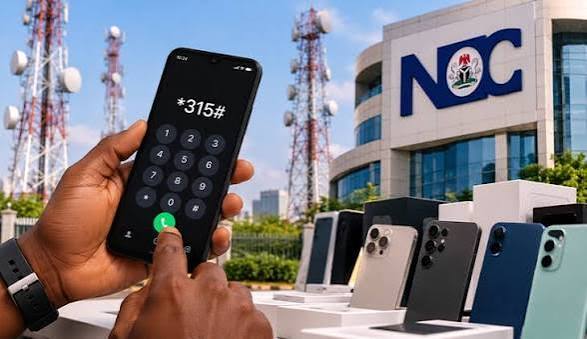
The Nigerian Communications Commission (NCC) has stepped up efforts to regulate Nigeria’s mobile-device market with the deployment of an International Mobile Equipment Identity (IMEI) scanning application designed to detect duplicate device identities, improve registration accuracy and curb the circulation of counterfeit and non-compliant equipment.
The NG-IMEI Scanner, introduced under the Commission’s Device Checker Platform, is expected to simplify compliance for phone dealers and distributors handling large volumes of devices, while strengthening the regulator’s ability to verify equipment entering the country’s telecommunications market.
The initiative could also improve traceability across the device supply chain, as the NCC seeks to ensure that phones and other communication equipment sold in Nigeria meet prescribed technical standards.
Speaking at a press conference on the Device Checker Platform and type approval procedures at the Commission’s Lagos Zonal Office in Ikoyi, Director and Zonal Controller, Tunji Jimoh, said the application would reduce manual registration errors and enable dealers to identify duplicate IMEI entries.
The tool allows users to scan device information and organise IMEI numbers in tabular format, making it easier to process multiple devices and detect inconsistencies in registration records.
Beyond smartphones, the Device Checker Platform covers routers and Internet of Things (IoT) equipment connected to telecommunications networks. It is also linked to the NCC’s type approval system, enabling users to check whether devices have received the regulator’s required certification.
The Commission has listed more than 2,900 type-approved devices on its website, with the register updated regularly.
For Nigeria’s large mobile-device market, the implications extend beyond consumer protection. A more effective verification system could make it harder for unapproved equipment to enter formal distribution channels, improve accountability among importers and dealers, and reduce the circulation of products that may compromise network performance.
Jimoh said manufacturers were required to submit product samples, laboratory test reports and relevant certifications for regulatory assessment before mass production and entry into the Nigerian market.
The NCC evaluates the samples against applicable Nigerian technical standards and issues a type approval certificate where a product meets the requirements. Approval obtained in another country does not automatically exempt a device from Nigeria’s certification process.
The Commission also retains samples of approved products as reference points for subsequent assessments, while its online register allows stakeholders, including the Nigeria Customs Service, to verify approved makes and models.
According to Jimoh, counterfeit and non-compliant equipment can affect telecommunications networks by emitting excessive radio-frequency signals and interfering with other devices.
The NCC has engaged mobile phone dealer associations, including one with more than two million members, to encourage compliance and discourage the sale of counterfeit products. The platform also allows importers and buyers to verify devices before completing transactions, potentially reducing exposure to products that fail regulatory requirements.
The Commission, however, clarified that existing mobile phone users would not be required to register their devices afresh, as records under the previous system had been migrated to the new platform.
Travellers entering Nigeria with their devices have 30 days to complete registration where required through the online process. The platform also accommodates devices with up to four IMEI numbers, including dual-SIM phones.
An IMEI is a unique identification number assigned to a mobile device and can be retrieved by dialling *#06#.
The deployment follows the registration of approximately 231 million telecommunications devices in Nigeria, according to an earlier report by Nairametrics. The NCC has also indicated that devices already connected to networks before the new system became operational would not be retrospectively disconnected, including those that may not meet current approval standards.
The Commission is working with the Nigeria Customs Service, manufacturers, importers and dealers to authenticate equipment before it enters the market. The system is expected to provide information on importers, import dates and device quantities, strengthening the regulator’s capacity to trace non-compliant products.
For businesses in the import and distribution chain, the expanded checks mean greater emphasis on documentation, product certification and accurate device records. For consumers and network operators, the expected benefits include improved confidence in device authenticity and reduced risks associated with technically non-compliant equipment.
The effectiveness of the initiative will ultimately depend on consistent enforcement at importation points and across distribution channels, as well as the ability of dealers and consumers to use the verification system.
About The Author