Money Supply in Nigeria Rises to N66.4 trn in September
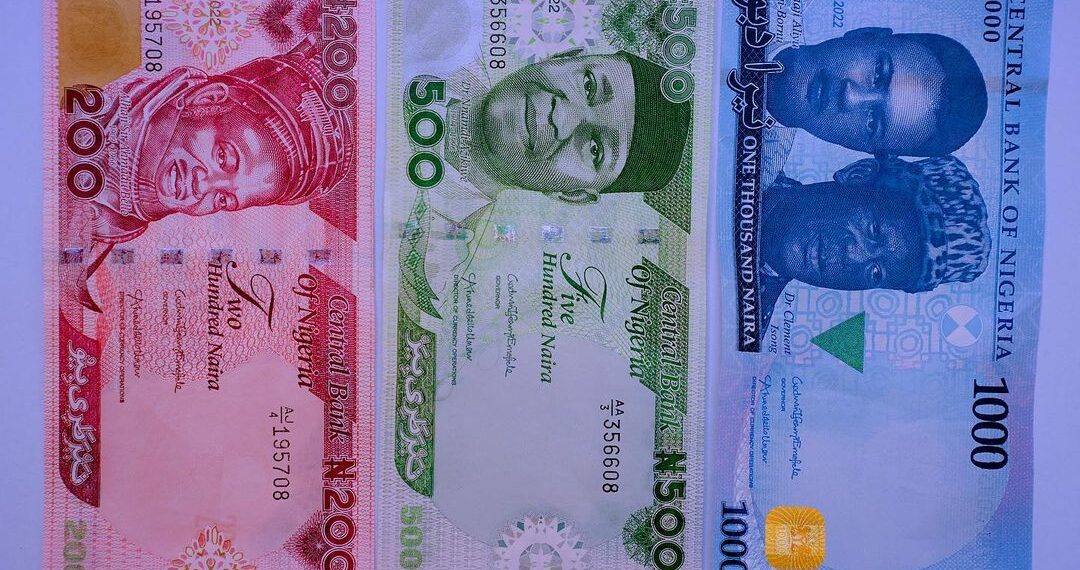
Nigeria’s total money supply (M2) rose to N66.4 trillion in September 2023, data from the Central Bank of Nigeria (CBN) reveals.
The money supply, identified as M2, captures the total amount of money available in the economy at a particular moment.
This includes physical currency such as coins and banknotes, in addition to various types of deposits maintained by individuals, enterprises, and institutions in banks and other financial entities.
Nigeria’s money supply has been on the rise since the central bank began its expansive monetary policy stand in the wake of the Covid-19 pandemic.
Since September 2020, Nigeria’s money supply has doubled from N29 trillion before the lockdown (February 28th). However, the rise has been rapid in the last 12-18 months rising by about 34.6 per cent year on year.
The increase in money supply was also a result of the devaluation of the naira following forex unification in June, The policy effectively added close to N10 trillion to the money supply.
The breakdown of the data reveals that certain components of the money supply, namely demand deposits, quasi-money, and currency outside banks, also witnessed growth and declines.
Specifically, quasi-money, which pertains to financial tools that can be easily converted to cash, surged from N40.8 trillion in the month of August 2023 to N41 trillion
Moreover, demand deposits, primarily made up of chequing accounts or funds in banks accessible without prior notice, moved from N21.7 trillion to N23 trillion
Meanwhile, currency outside banks observed a relatively modest increment from N2.29 trillion to N2.3 trillion.
One major observation was the drop in Net Foreign Assets which went from N7.1 trillion to just N591 billion while Net Domestic Assets rose to N66.5 trillion from N58.3 trillion. The money supply is the summation of the net domestic assets and net foreign assets.
Net Domestic Credit – We also noticed an upsurge in net domestic credit rising from N87.2 trillion to N92.7 trillion suggesting that net domestic credit to GDP is around 42.7 per cent.
The breakdown suggests credit to the government rose to N34.1 trillion from N32.5 trillion. Meanwhile, Credit to the private sector rose from N54.7 trillion to N58.6 trillion, which makes up 63 per cent of net domestic credit.
About The Author