Profitable Ventures: Starting Tomato and Pepper Farm Amidst Price Surge
Samuel Mobolaji
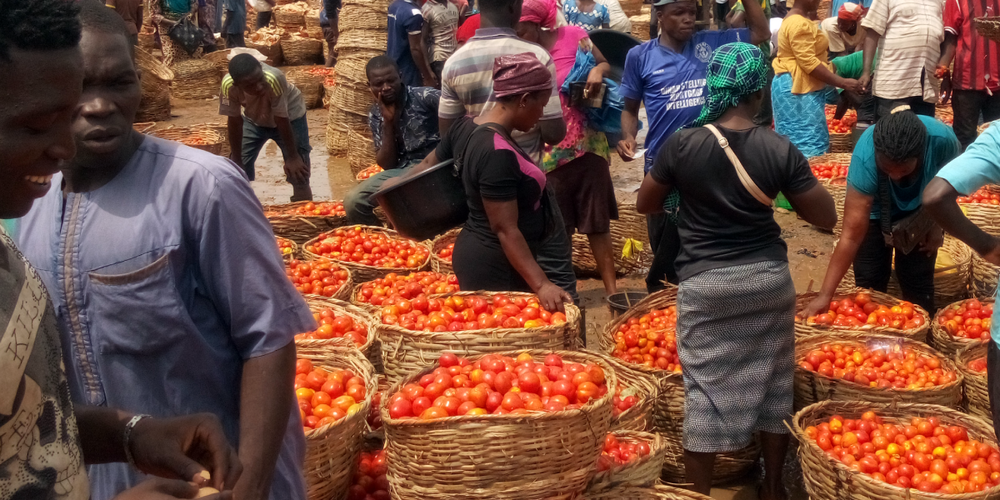
In recent times, Nigeria has experienced a significant hike in the prices of tomatoes and peppers, two staple ingredients in the Nigerian diet.
These price surges have caused economic strain on households nationwide, given that these vegetables are essential in daily cooking. However, this situation presents a golden opportunity for enterprising individuals looking to venture into agriculture.
Starting a tomato and pepper farm in Nigeria amidst the current price hike can be a profitable venture with the right planning and management
This feature story delves into how to start a successful tomato and pepper farm in Nigeria, tapping into the high demand and reaping substantial profits.
The Demand for Tomatoes and Peppers
Tomatoes and peppers are integral to many Nigerian dishes, from stews to soups, jollof rice, and pepper soup.
Their ubiquitous presence in Nigerian cuisine means that the demand is consistently high, creating a lucrative market for farmers.
With the current price hikes, the potential returns on investment for tomato and pepper farming have never been more promising.
Getting Started: Planning and Preparation
Land Acquisition
The first step in starting a tomato and pepper farm is securing suitable land. Ideally, the land should be in a location with access to water and good soil quality. Tomato and pepper plants thrive in well-drained, fertile loamy soils with adequate organic matter. Conduct a soil test to determine the suitability of the soil for farming.
Climate Considerations
Tomatoes and peppers require a warm climate with temperatures ranging between 20°C to 30°C. Nigeria’s tropical climate is favourable for these crops, but it’s essential to consider the specific micro-climate of the chosen farming area. Ensure that the farm is located in an area with sufficient sunlight, as both crops need at least 6-8 hours of sunlight daily.
Setting Up the Farm
Seed Selection and Nursery Preparation: Choosing high-quality seeds is crucial for a successful harvest. Opt for hybrid seeds known for their disease resistance and high yield. Create a nursery bed for your seeds, providing them with the right conditions for germination. The nursery stage usually lasts about 4-6 weeks for both tomatoes and peppers.
Land Preparation and Planting
Prepare the land by ploughing and harrowing to create a fine tilth. Incorporate organic manure to enhance soil fertility. Transplant the seedlings from the nursery to the prepared land, ensuring proper spacing to allow for adequate growth and air circulation.
Typically, tomato plants are spaced 50-60 cm apart, while pepper plants require 40-50 cm spacing.
Crop Management
Irrigation: Consistent watering is essential, especially during the dry season. Drip irrigation is an efficient method that conserves water while ensuring that the plants receive adequate moisture. Avoid overhead watering to reduce the risk of fungal diseases.
Fertilization: Tomatoes and peppers are heavy feeders and require regular fertilization. Use a balanced fertilizer rich in nitrogen, phosphorus, and potassium. Organic fertilizers such as compost and well-decomposed manure can also be beneficial.
Pest and Disease Control: Common pests affecting tomatoes and peppers include aphids, whiteflies, and tomato hornworms. Employ integrated pest management (IPM) techniques, combining biological, cultural, and chemical control methods. Regularly inspect plants for signs of diseases such as blight and mosaic virus, and apply appropriate fungicides when necessary.
Harvesting and Marketing
Harvesting: Tomatoes are typically ready for harvest 70-100 days after transplanting, while peppers take about 60-90 days. Harvest tomatoes when they are firm and fully coloured, and pick peppers when they reach the desired size and colour. Harvesting should be done carefully to avoid bruising the fruits.
Marketing: The high demand for tomatoes and peppers in Nigeria provides various marketing avenues. Sell directly to local markets, grocery stores, and restaurants. Consider processing and packaging products for added value. Establishing relationships with buyers and consistently supplying quality produce can ensure a steady market for your farm.
By leveraging the high demand and ensuring the best farming practices, aspiring farmers can not only meet the needs of Nigerian consumers but also enjoy substantial economic benefits. Embrace this opportunity, and with diligence and dedication, your farming venture can thrive, contributing to food security and economic growth in Nigeria.
About The Author