FG drafts private-sector reform council to deepen economic recovery
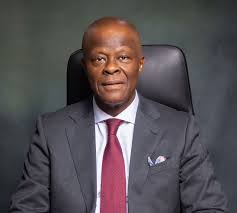
The Federal Government has inaugurated a high-powered Ministerial Advisory Committee to provide independent economic advice, strengthen fiscal reforms and improve policy coordination as it seeks to sustain Nigeria’s economic recovery amid tight fiscal conditions.
The 15-member committee, inaugurated in Abuja by the Minister of Finance and Coordinating Minister of the Economy, Mr Wale Edun, is expected to serve as a strategic think tank that will assess the impact of ongoing reforms, anticipate emerging economic risks and recommend practical policy adjustments capable of accelerating growth, boosting government revenue and improving living standards.
Chaired by the Managing Director of Sterling Bank, Mr Abubakar Suleiman, the committee comprises leading economists, financial experts, manufacturers, private sector executives and policy specialists drawn from across the economy.
Speaking at the inauguration, Edun said the committee was established to provide evidence-based, independent advice that would complement government efforts to strengthen macroeconomic management and ensure reforms produce measurable benefits for Nigerians.
He said Nigeria’s current economic realities require wider stakeholder engagement because government policies often have complex consequences that extend beyond initial expectations.
“Nigeria’s economic landscape is intricate, and our fiscal space is constrained. Every policy lever we pull affects multiple stakeholders in ways that are not always predictable,” he said.
According to the minister, the committee will help the government identify second- and third-order effects of economic policies, detect emerging vulnerabilities before they develop into crises, draw from international best practices and provide real-time feedback on how reforms are affecting businesses and households.
Edun stressed that the committee would operate strictly in an advisory capacity without assuming executive responsibilities or duplicating the functions of government agencies.
“Our expectation is simple. Provide independent advice that strengthens policy decisions and keeps us focused on achieving tangible economic outcomes,” he said.
He outlined four broad areas that will shape the committee’s work.
These include providing policy recommendations to stimulate economic growth, expand employment opportunities, improve productivity and enhance domestic revenue mobilisation.
The committee will also advise on public financial management, focusing on fiscal discipline, expenditure efficiency, debt sustainability, transparency and improved revenue collection.
Another key responsibility is strengthening policy coordination among ministries, departments and agencies, state governments and private sector stakeholders to improve the implementation of economic reforms.
The committee is equally expected to monitor the social and economic impact of government reforms to ensure they translate into measurable improvements in the welfare of Nigerians.
Responding on behalf of members, the committee chairman, Mr Abubakar Suleiman, said the body would prioritise practical policy solutions rather than lengthy reports.
He observed that government officials often have limited time to reflect on emerging economic issues because of daily administrative responsibilities.
“Our responsibility is to create the space for strategic thinking while the government concentrates on managing the economy. We will focus on issues that may not yet be receiving sufficient attention,” he said.
Suleiman added that the committee would continuously engage businesses and citizens to understand where economic reforms are working and where policy adjustments may be required.
“We want to understand where Nigerians are feeling the greatest pressure, identify which reforms are delivering results and present the government with practical recommendations that can improve policy outcomes,” he said.
Analysts believe the inauguration of the advisory committee reflects the Federal Government’s increasing reliance on private sector expertise as it implements wide-ranging fiscal and macroeconomic reforms aimed at restoring investor confidence, improving public finances and sustaining economic growth.
The committee includes Dr Ayo Teriba, Prof. Uche Uwaleke, Chinyere Almona, Vincent Nwani, Segun Oloketuyi, Jide Adeola, Dimeji Salaudeen, Damilola Akinbami, Idris Belo-Osagie, Engr. Jani Ibrahim, Segun Ajayi-Kadir, Prof. Joseph Nnanna, Dr Suleyman Ndanusa and Dr. Baba Yusuf Musa.
Its recommendations are expected to support ongoing reforms targeted at strengthening fiscal management, improving policy coordination, enhancing private sector participation and driving inclusive economic growth across the country.
About The Author