Reps seek consensus on fuel imports, domestic refining
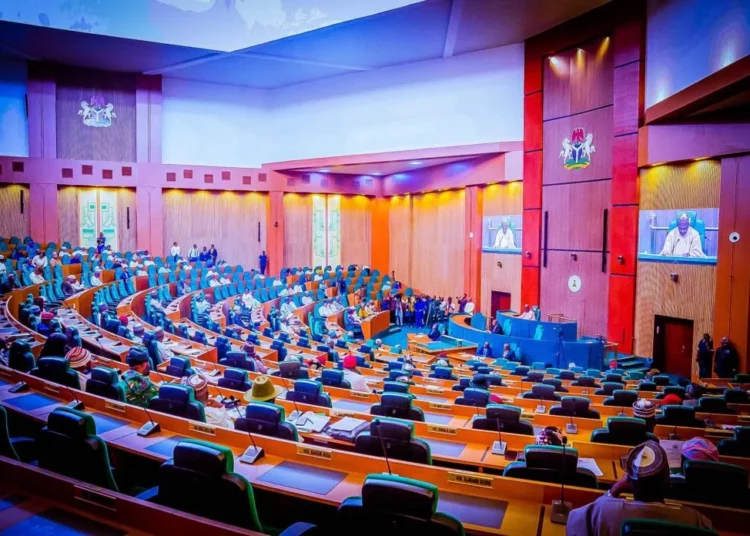
The House of Representatives Committee on Petroleum Resources (Downstream) has commenced consultations with key industry stakeholders to reconcile divergent positions on petroleum imports and domestic refining as Nigeria seeks to strengthen energy security and ensure stable fuel supply.
At an interactive session held at the National Assembly on Tuesday, the committee met with the Depot and Petroleum Products Marketers Association of Nigeria, the Independent Petroleum Marketers Association of Nigeria and the Major Energies Marketers Association of Nigeria.
The engagement comes amid growing debate over the future of fuel imports as Nigeria’s domestic refining capacity expands following the implementation of the Petroleum Industry Act, petrol market deregulation, the rehabilitation of government-owned refineries and increased private-sector refining.
Chairman of the committee, Ikenga Ugochinyere, said lawmakers were seeking consensus among industry operators rather than imposing policies without adequate consultation.
He said the committee was committed to developing policies that would ensure affordable energy, stable petroleum product supply and a competitive downstream sector.
Ugochinyere described marketers, depot owners and other downstream operators as a critical link between government policy and consumers, noting that weaknesses in the distribution chain could affect the entire country.
He said submissions from stakeholders would guide future legislative interventions aimed at encouraging investment, deepening competition, strengthening domestic refining and ensuring affordable and uninterrupted fuel supply.
Presenting DAPPMAN’s position, its Executive Secretary, Olufemi Adewole, called on the Nigerian Midstream and Downstream Petroleum Regulatory Authority to establish practical operating-stock guidelines under Section 182 of the Petroleum Industry Act.
He said the guidelines should provide clear standards for stock measurement, reporting, quality assurance and accessibility.
DAPPMAN also proposed a joint market-monitoring framework involving the NMDPRA and the Federal Competition and Consumer Protection Commission to monitor supply concentration, product availability, allocation transparency and competition.
The association further urged the Federal Government to invest in roads, railways, inland waterways, pipelines and petroleum depots to reduce reliance on long-distance trucking.
Meanwhile, IPMAN National Chairman, Abubakar Shettima, identified high financing costs, multiple taxation, foreign exchange volatility, inadequate storage and transportation infrastructure, pipeline vandalism and limited access to refinery products as major challenges facing independent marketers.
IPMAN urged lawmakers to support reforms that would strengthen logistics, improve competition, reduce distribution costs and ensure the availability and affordability of petroleum products.
On its part, MEMAN cautioned against blanket restrictions on petroleum product imports, arguing that strategic imports should remain available when domestic production falls below national demand.
Its Executive Secretary, Clement Isong, said Nigeria now had sufficient refining capacity to meet domestic demand and compete in export markets but maintained that import flexibility was necessary to protect consumers from supply disruptions and sudden price increases.
He also recommended the establishment of a national strategic petroleum reserve capable of sustaining at least 60 days of domestic consumption.
Although stakeholders differed on the role of imports as domestic refining capacity increases, they broadly agreed on the need for policy consistency, infrastructure investment, regulatory coordination and continued engagement between government and industry.
The committee said it would consider the recommendations as it works towards a legislative framework that supports a resilient, competitive and self-sustaining downstream petroleum sector while safeguarding Nigeria’s long-term energy security.
About The Author