Seplat CEO urges Nigeria to adopt energy addition strategy
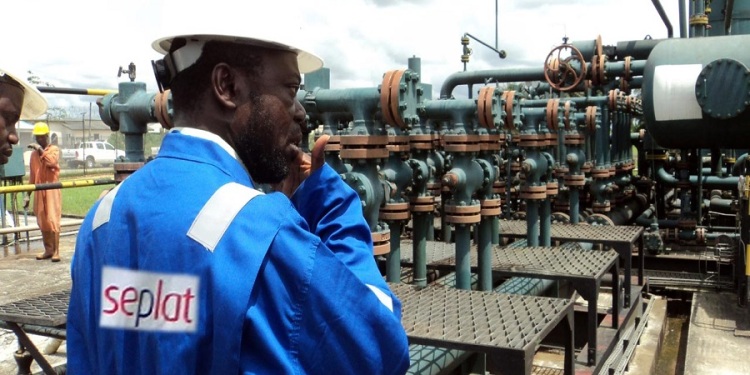
The Chief Executive Officer of Seplat Energy Plc, Effiong Okon, has called on Nigeria to adopt an “energy addition” strategy that expands access to reliable, affordable and cleaner energy, arguing that the country’s energy transition should focus on increasing energy supply rather than replacing existing sources.
Speaking at the opening of the 49th Society of Petroleum Engineers (SPE) Nigeria Annual International Conference and Exhibition (NAICE 2026) in Lagos on Monday, Okon said Nigeria’s path to industrialisation and sustainable economic growth depends on building resilient energy systems through greater collaboration among governments, investors, operators and technical professionals.
Delivering the keynote address on the theme, “Thriving in the Evolving Global Energy Landscape: Collaborative Growth and Resilience,” Okon said energy remains the foundation of national development, stressing that no country can achieve sustained economic growth without reliable and affordable energy.
“The transition for Nigeria cannot mean removing energy from a system that already has too little. It must mean adding cleaner, more reliable and more affordable energy while supporting economic development,” he said.
According to him, Nigeria should simultaneously expand oil and gas production, renewable energy deployment, electricity generation and cleaner cooking solutions to meet rising domestic demand while supporting industrial growth.
Okon said recent geopolitical tensions and disruptions to global energy supply chains have reinforced the importance of energy security, presenting Nigeria with an opportunity to position itself as a reliable energy supplier by improving production efficiency, expanding gas infrastructure and strengthening transportation networks.
“The world is asking who can deliver energy reliably when the system is under stress. This is Nigeria’s moment to inspire confidence by improving uptime, delivering more products to the market and deepening gas infrastructure,” he said.
The Seplat CEO noted that the rapid growth of artificial intelligence, cloud computing and data centres is driving global electricity demand, adding that Nigeria must strengthen electricity supply, deepen gas-to-power infrastructure and integrate commercially viable renewable energy to remain competitive in the digital economy.
“If we want to compete in data centres, fintech, industrial automation and AI-enabled enterprise, we must expand electricity supply, deepen gas-to-power, strengthen transmission and integrate renewables where they are commercially viable,” he added.
Describing natural gas as the fuel for Nigeria’s industrialisation, Okon said the resource remains central to power generation, manufacturing, fertiliser production, petrochemicals, compressed natural gas (CNG), liquefied petroleum gas (LPG) and exports. He, however, stressed that unlocking its full value would require sustained investment across upstream production, gas processing, pipeline infrastructure and industrial demand.
Highlighting Seplat Energy’s performance, Okon disclosed that the company’s enlarged business produced an average of more than 131,000 barrels of oil equivalent per day in 2025, representing a 148 per cent increase over the previous year. He added that Seplat currently supplies up to 30 per cent of Nigeria’s grid-connected gas for electricity generation and recently commenced gas production from the ANOH Gas Processing Plant.
Looking ahead, he expressed confidence that Seplat would outperform its 2025 performance this year while reaffirming support for Nigeria’s target of producing 3 million barrels of crude oil per day and 12 billion standard cubic feet of gas daily by 2030.
Okon also outlined five priorities for the industry: improving competitiveness to attract investment, accelerating gas infrastructure development, producing lower-cost and lower-carbon hydrocarbons, strengthening collaboration across the value chain and investing in human capital.
He urged stakeholders to translate discussions at NAICE 2026 into concrete actions capable of strengthening Nigeria’s energy sector.
“Nigeria has the resources. Africa has the demand. The world needs secure, affordable and progressively cleaner energy. The question is whether we will execute with the discipline, speed and resilience that this moment requires,” he said.
About The Author