NGX market value rises N130trn under Tinubu
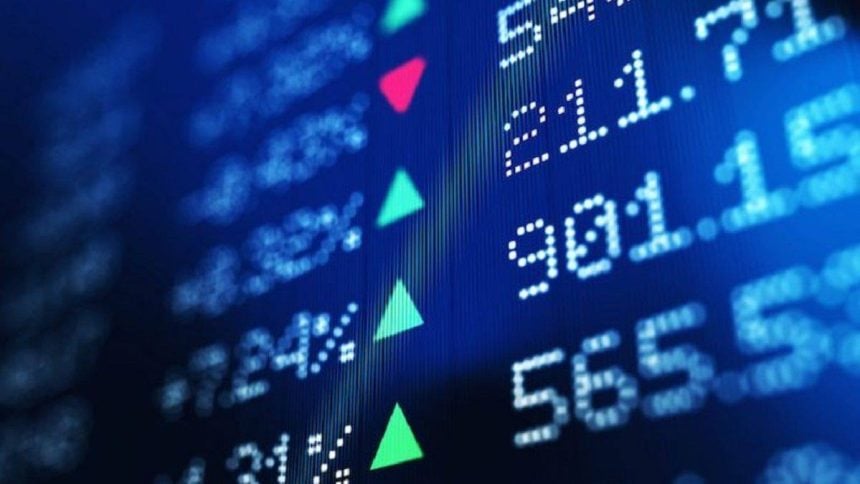
Nigeria’s listed equities market has added about N130 trillion in value since President Bola Ahmed Tinubu assumed office in 2023, rising from nearly N30 trillion to N160 trillion, as the Federal Government credited its economic reforms with stabilising the economy and reviving investor confidence.
The President disclosed the development on Thursday in Abuja when he received the Board and Management of the Nigerian Exchange Group (NGX Group) at the State House, saying the rebound in the capital market and improving economic indicators pointed to a brighter economic outlook for the country.
The NGX Group delegation, led by its Chairman, Dr Umaru Kwairanga, and Group Managing Director/Chief Executive Officer, Temi Popoola, told the President that the value of stocks listed on the Nigerian market had risen to N160 trillion from just under N30 trillion when he took office in 2023.
The exchange expects the value of listed stocks to rise further to N230 trillion by the end of 2026, driven by new listings and continued growth in the market.
Popoola also disclosed that the NGX All-Share Index, a key measure of the performance of the equities market, had risen from about 52,000 points in 2023 to 244,000 points.
He said the surge had created substantial wealth for investors, with the exchange estimating that between 500,000 and 900,000 millionaires had been created as a result of the market’s growth and the broader economic reforms.
President Tinubu commended the Economic Management Team for its role in the economic turnaround, specifically recognising the Minister of Finance and Coordinating Minister of the Economy, Taiwo Oyedele; Minister of Budget and National Planning, Atiku Bagudu; Central Bank Governor, Olayemi Cardoso; and Chairman of the Nigeria Revenue Service, Zacch Adedeji.
The President said the positive assessments of the Nigerian economy by experts, coupled with improving economic indicators, demonstrated that the reforms were beginning to produce the desired results.
“I can see the excitement in the room. All I can do is to celebrate you all today. It is a thing of joy to have this feedback. When we took over, it was very challenging,” Tinubu said.
He said the government had inherited significant economic and monetary challenges but remained committed to rebuilding the economy and creating the foundation for sustainable prosperity.
“If the stock market is doing well, then we are doing well,” the President said, adding that Nigeria could build “a nation of prosperity by itself”.
Tinubu also stressed the importance of private-sector investment in driving economic growth, creating jobs and supporting government development efforts.
He said the Federal Government would continue to support productive private-sector investment and disclosed that the Nigerian National Petroleum Company would be reformed and listed on the capital market.
The President said Nigeria’s ambition of building a $1 trillion economy was achievable, citing the country’s population, human capital, natural resources and entrepreneurial capacity.
Oyedele said the growth of the Nigerian capital market over the past three years had been driven by economic reforms and described the Nigerian market as the best-performing capital market in the world.
He said the capital market remained one of the fastest channels for creating wealth for millions of Nigerians, while urging the NGX and the Securities and Exchange Commission to simplify the listing process and make the market more accessible to ordinary Nigerians.
Oyedele also challenged the NGX and SEC to set a target of growing Nigeria’s capital market to $1 trillion.
He said more young Nigerians should be encouraged to invest in the capital market rather than concentrating their funds in virtual assets and gambling.
Kwairanga attributed the market’s turnaround to the economic reforms and expressed confidence that Nigeria could achieve the $1 trillion economy target even before 2030 with sustained government support.
He said the Nigerian capital market had been underutilised over the years but was now attracting greater international attention.
According to him, other African markets are increasingly studying Nigeria’s experience in rebuilding and expanding its stock market.
Cardoso said the successful recapitalisation of the banking sector had also demonstrated growing confidence in Nigeria’s financial system.
He said the exercise, which was initially met with scepticism, attracted close to 75 per cent of its funding from domestic resources, reversing the previous pattern in which foreign capital played a much larger role.
The CBN Governor said the successful recapitalisation showed that domestic investors had confidence in the Nigerian financial system and that continued economic stability would attract more investment into the country.
He said increased investment would stimulate growth in the real sector and strengthen the wider economy.
Adedeji, Chairman of the Nigeria Revenue Service, said the reforms, including the removal of fuel subsidy and the overhaul of Nigeria’s tax laws, were addressing longstanding structural distortions in the economy.
He described the subsidy removal as the foundation for correcting distortions that had affected the economy for decades, while noting that the tax reforms represented the first major review of Nigeria’s tax laws in many years.
The NGX leadership said the market’s rapid expansion had demonstrated the capacity of Nigeria’s capital market to mobilise domestic and international capital for economic development.
The developments reinforce the growing role of the equities market as a barometer of investor confidence and a channel for wealth creation, with the government and market regulators now targeting deeper participation, more listings and a larger pool of capital to support Nigeria’s ambition of becoming a $1 trillion economy.
About The Author