Oil gains 4% as US-Iran tensions threaten global supply
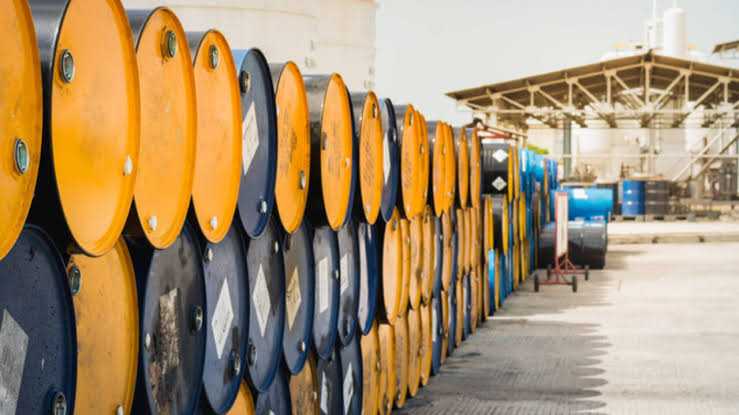
Global oil prices are heading for a weekly gain of about 4 per cent, with renewed US-Iran tensions and persistent disruption to tanker traffic through the Strait of Hormuz outweighing bearish US inventory data and weaker global demand forecasts.
Brent crude traded at $87.84 per barrel on Friday, while US benchmark West Texas Intermediate (WTI) stood at $82.45 per barrel, as traders continued to price the risk of further supply disruptions from the Middle East.
The Strait of Hormuz remains the key focus for the market because vessel movements through the strategic waterway are still well below pre-conflict levels, limiting the flow of crude and petroleum products through one of the world’s most important energy corridors.
The United States has also signalled plans to maintain its naval blockade of Iran and increase economic pressure on Tehran, keeping geopolitical risk elevated despite evidence of weaker underlying demand.
“Despite the bearish crude stock data, the broader geopolitical backdrop is preventing a sharper price decline,” Susan Bell, Senior Vice President for Oil at Rystad Energy, said.
The supply concerns have overshadowed a major build-up in US crude inventories. Commercial crude stocks increased by more than 17.4 million barrels during the week, according to analysts at ING, a development that would ordinarily put downward pressure on prices by signalling weaker demand or excess supply.
Instead, traders have largely treated the inventory increase as secondary to the potential disruption to global crude flows arising from the US-Iran standoff.
The market is also facing conflicting signals from the supply and demand sides.
The International Energy Agency expects global oil demand to decline by about 1.6 million barrels per day during the current quarter, but at the same time projects a supply deficit of about 1.8 million barrels per day because of disruptions to global crude flows.
The combination means the market remains highly sensitive to developments around the Strait of Hormuz, even as concerns over the global economic outlook limit the extent of the price increase.
The Organisation of the Petroleum Exporting Countries has also lowered its forecast for global oil demand growth in 2026 to 580,000 barrels per day, from its previous estimate of 780,000 barrels per day issued in July.
The conflicting outlook has left investors balancing the risk of tighter physical supply against weaker consumption and rising inventories.
For oil-producing economies such as Nigeria, sustained crude prices near current levels could provide support for export earnings and government revenue, but the benefit will depend heavily on domestic production volumes and the stability of international supply routes.
The market’s direction in the coming sessions will therefore remain closely tied to developments between Washington and Tehran, particularly any changes in shipping through the Strait of Hormuz.
About The Author