Africa’s air cargo capacity surges 14% as demand grows just 3%
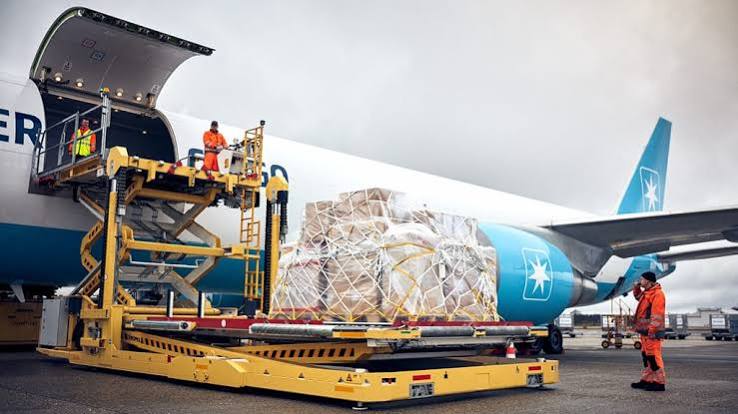
Africa’s air cargo market is struggling to absorb a rapid expansion in freight capacity, with available capacity rising 14 per cent in August 2026 against just 3 per cent growth in demand, widening the gap between what airlines can carry and the cargo actually moving across the continent.
The mismatch pushed Africa’s cargo load factor down by 3.9 percentage points to 36.5 per cent, the weakest regional performance globally, according to the latest International Air Transport Association (IATA) air cargo market data.
The figures point to a growing efficiency problem for African carriers and exporters as airlines add capacity faster than trade volumes are expanding.
Africa accounted for only 2.1 per cent of global air cargo traffic, while worldwide demand increased 4.4 per cent in August. Capacity globally, however, grew only marginally, by 0.1 per cent, making Africa’s 14 per cent expansion particularly significant.
For airlines, low load factors mean a larger proportion of available cargo space is flying empty or underutilised, potentially increasing the cost per unit of freight carried and putting pressure on profitability.
The weakness is most visible on the Africa-Asia corridor, where cargo traffic fell 11.9 per cent year-on-year in August for a third consecutive month.
The decline is significant because Asia is a major source of manufactured goods, machinery, electronics and other products imported into African markets, while the corridor also provides an important route for African commodities and other exports.
The contraction contrasts sharply with stronger global trade corridors. Asia-North America freight traffic rose 13.2 per cent, while intra-Asia trade increased 6.1 per cent, highlighting the extent to which Africa’s air-freight network is failing to capture the expansion occurring elsewhere.
The pressure comes despite a relatively favourable global trade environment. Global goods trade rose 6 per cent year-on-year in July, while the global manufacturing Purchasing Managers’ Index reached 53.0 in August, indicating continued expansion.
African airlines are also facing sharply higher operating costs. Jet fuel prices rose 8.3 per cent month-on-month in August and were 79.2 per cent higher than a year earlier, creating additional pressure on carriers already operating with low cargo utilisation.
For African businesses, the consequences extend beyond the airlines. Weak cargo connectivity can make exports more expensive, reduce the competitiveness of time-sensitive agricultural products and manufactured goods, and limit access to overseas markets.
Nigeria faces the same structural challenge. As Africa’s largest economy and one of the continent’s biggest trading markets, stronger air-cargo links are critical to moving high-value and time-sensitive exports while bringing in industrial inputs quickly.
The latest data suggest that expanding aircraft capacity alone will not solve Africa’s freight problem. Airlines need stronger cargo demand, while exporters need more reliable trade corridors, competitive freight rates, efficient airports and faster customs and logistics processes.
The imbalance also raises questions about investment. Capacity deployed without sufficient cargo volumes can weaken airline economics, while inadequate connectivity can discourage exporters from targeting distant markets.
As the year-end peak season approaches, African carriers will therefore be under pressure to fill the capacity already deployed. The broader economic challenge is to ensure that rising air-freight capacity is matched by stronger intra-African and international trade, allowing airlines to operate efficiently while helping African producers capture a larger share of global commerce.
About The Author