Global fuel subsidy bill heads for $1.1trn as energy shock squeezes budgets

Governments around the world could spend as much as $1.1 trillion on fossil-fuel subsidies in 2026 as the Middle East crisis drives up energy costs, putting fresh pressure on public finances already strained by rising debt-service obligations.
The United Nations Development Programme (UNDP) estimates that global fossil-fuel subsidies are on course to reach $1.1 trillion this year, $410 billion higher than in 2025, if the average oil price settles at $88.60 per barrel. Under a severe scenario in which oil averages $110, the bill could rise to $1.43 trillion.
The scale of the potential bill highlights the difficult choice confronting governments: absorb part of higher fuel costs through subsidies, price controls and tax relief, or allow the shock to pass through to households and businesses and use scarce fiscal resources for targeted support.
UNDP said the cost of cushioning the energy shock is increasingly competing with spending on healthcare, education, infrastructure and other development priorities. It also estimated that the median developing economy could spend 9.53 per cent of government revenue on interest payments in 2026, twice the share of a decade ago.
The problem is particularly acute for developing economies, where higher energy prices quickly feed into transportation, food production, manufacturing and household electricity costs.
Several African countries have responded with temporary fuel-price interventions, including levy reductions and direct government support to distributors, as authorities seek to prevent the global energy shock from pushing domestic inflation sharply higher.
Nigeria, however, has largely avoided returning to a universal petrol subsidy since its removal in 2023. The approach has reduced direct government exposure to fuel-price subsidies but leaves households and businesses more exposed to movements in global oil prices and domestic refining and distribution costs.
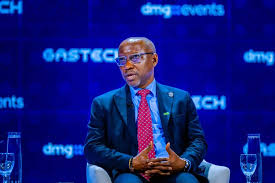
The fiscal argument for maintaining the reform is substantial. Nigeria Revenue Service Executive Chairman, Zacch Adedeji, said in April that if the subsidy regime had remained in place and crude oil reached $120 per barrel, the annual subsidy bill could have risen to between N38 trillion and N52 trillion, equivalent to as much as 76 per cent of the N68 trillion 2026 budget.
Nigeria therefore faces the other side of the subsidy dilemma. While government finances are shielded from a potentially enormous subsidy bill, consumers are bearing more of the immediate energy shock, with petrol prices now around N1,400 per litre in many locations.
The increase has implications across the economy. Higher petrol and diesel prices raise transport and logistics costs, increase the cost of moving food from farms to markets and raise operating expenses for manufacturers and small businesses that depend on generators and vehicles.
UNDP warned that broad subsidies provide temporary relief but can ultimately squeeze fiscal space for long-term development. It said governments need to combine targeted protection for vulnerable households with investment in more resilient and less fossil-fuel-dependent energy systems.
For Nigeria, the economic challenge is therefore not simply whether to subsidise petrol. It is how to protect purchasing power without reopening a subsidy burden that could consume resources needed for infrastructure, social services and productive investment.
The global subsidy bill approaching $1.1 trillion shows just how expensive that balancing act has become.
About The Author