NNPC moves to close governance gaps ahead of IPO as H1 profit falls 35%
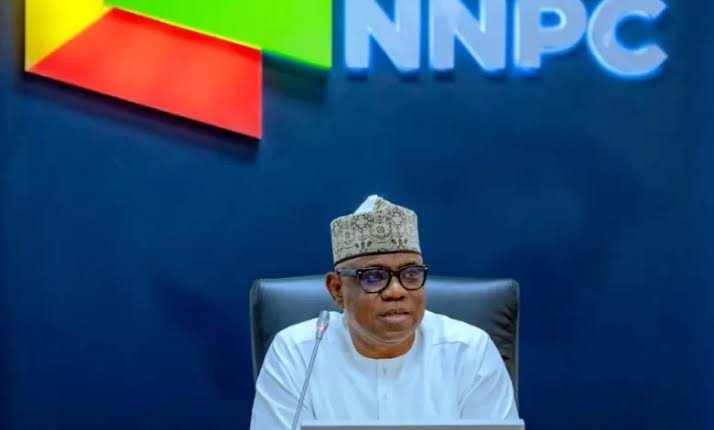
Group Chief Executive Officer of Nigerian National Petroleum Company Limited (NNPCL) Bayo Ojulari,
The Nigerian National Petroleum Company Limited (NNPC Ltd.) is working to close financial reporting and corporate governance gaps ahead of a potential stock market listing, as declining first-half earnings raise the stakes for a company preparing to open its books to public investors.
Group Chief Executive Officer, Bayo Bashir Ojulari, disclosed the development in a Bloomberg interview, saying the company had completed a preliminary assessment of its readiness for an initial public offering (IPO) and was implementing corrective measures identified by its advisers.
The preparation comes as NNPC recorded a profit after tax of N2.28 trillion in the first half of 2026, down 35.4 per cent from N3.53 trillion in the corresponding period of 2025. The N1.25 trillion decline highlights the importance of establishing the sustainability of earnings before the state-owned energy company seeks capital market investors.
“We’ve done the baseline assessment,” Ojulari said, adding that management was working to make the company ready for listing as soon as possible.
He said the process involved more than preparing financial statements, given NNPC’s extensive operations across crude oil exploration and production, pipelines, refining, trading and retail distribution. The company is assessing whether some businesses should be consolidated, restructured or removed from the proposed listing portfolio.
“There are some things that cannot even be IPOed,” he said, explaining that portfolio rationalisation would be necessary before determining the appropriate structure for a public offer.
The distinction is commercially important. Investors will need a clear picture of the assets they are buying into, the liabilities attached to them, the company’s cash-generating capacity and the extent to which its earnings depend on volatile oil prices, production levels and refining margins.
NNPC’s profitability remains substantial, but the decline in first-half earnings reinforces the need for transparent reporting that allows investors to distinguish recurring operating performance from temporary gains and losses.
The company is also reviewing its investments in joint ventures with domestic and international oil companies, including proposals that could involve selling up to 30 per cent of its stakes in some ventures. Ojulari indicated that a decision could emerge in early 2027, with the objective of attracting additional funding and technical expertise.
Such transactions could unlock capital for investment and improve operational capacity, but they would also require clear disclosure of asset valuations, ownership rights and the expected financial benefits to NNPC and the Federal Government.
The proposed listing follows the company’s transition towards commercial operations under the Petroleum Industry Act 2021. President Bola Tinubu has indicated that the administration wants NNPC shares eventually listed on the Nigerian Exchange, although the company has not announced a definitive IPO date.
The preparations are unfolding as Dangote Petroleum Refinery extends its ongoing public offer to October 27, keeping Nigeria’s capital market in focus as another major domestic energy business seeks public investment.
For NNPC, however, the immediate challenge is to make the business sufficiently transparent and commercially coherent for investors to assess. Its size and strategic importance may attract substantial interest, but neither guarantees an attractive investment.
A successful listing would provide a route to broader ownership, improved market scrutiny and potentially new capital for expansion. The more consequential test will be whether NNPC can demonstrate that stronger governance and clearer financial reporting translate into sustainable earnings, efficient operations and greater value for the Nigerian economy.
About The Author