IFATCA warns persecution of air traffic controllers threatens aviation safety
Air traffic controllers across Africa and the Middle East are facing institutional neglect, obsolete equipment, staff shortages and alleged persecution, raising concerns over aviation safety, the International Federation of Air Traffic Controllers’ Associations (IFATCA) has warned.
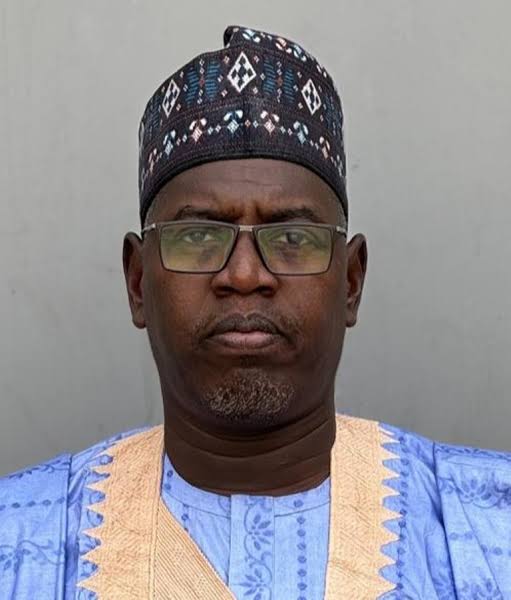
The federation’s Executive Vice President for the Africa and Middle East (AFM) Region, Ahmad Abba, raised the concerns in a message marking the 2026 International Day of the Air Traffic Controller on October 20.
Abba commended controllers for their resilience and professionalism but called attention to cases of colleagues allegedly arrested, detained, imprisoned, abducted, assaulted or intimidated over their official duties and demands for safer airspace standards.
He warned that such treatment could undermine the conditions required for effective air traffic management, stressing that controllers should not have to choose between their personal freedom and their responsibility to protect lives.
According to him, governments, civil aviation authorities and Air Navigation Service Providers (ANSPs) must recognise that aviation safety cannot be sustained in an environment of fear, harassment and institutional neglect.
Across the region, controllers contend with obsolete infrastructure, inadequate equipment, critical staffing shortages, heavy workloads and insecurity, despite their responsibility for maintaining safe and orderly air traffic.
Abba said the challenges required urgent policy reforms, better working conditions and stronger institutional safeguards for aviation personnel.
He also stressed that investment in modern technology alone would not guarantee safe skies without adequately equipped and trained professionals who receive fair treatment and psychological support and can perform their duties without fear of state or administrative reprisals.
The IFATCA regional executive vice president reaffirmed the federation’s commitment to advocating improved working conditions, professional dignity and justice for controllers facing persecution.
He also expressed solidarity with affected personnel and their families, while honouring controllers who had lost their lives in the line of duty across Africa and the Middle East.
The statement underscores the importance of protecting aviation professionals and addressing operational deficiencies as part of broader efforts to strengthen airspace safety across the region.
About The Author