Ebola: APC Says Tinubu’s ₦10bn Emergency Fund Remains Untouched
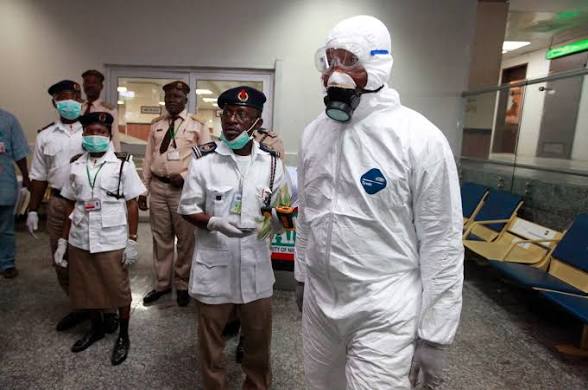
….Party accuses Atiku of politicising outbreak, defends government’s surveillance measures
The All Progressives Congress (APC) Presidential Campaign Council has said the ₦10 billion approved by President Bola Tinubu for Nigeria’s Ebola emergency preparedness remains untouched, insisting that relevant government agencies have been using existing resources to manage the public health situation.
The council also accused former Vice-President Atiku Abubakar of politicising the reported Ebola case in Nigeria, arguing that his criticism of the Federal Government’s response risked turning a serious public health concern into a political controversy.
In a statement issued in Abuja on Thursday, the council’s spokesperson, Dele Alake, said the Nigeria Centre for Disease Control and Prevention (NCDC), the Federal Airports Authority of Nigeria (FAAN) and other relevant agencies had been deploying available resources for disease surveillance and emergency response.
The statement, titled “N10 Billion Ebola Fund: When Disrespect Becomes the Staple of Political Statements,” followed Atiku’s demand for accountability over the emergency funding approved by Tinubu in June.
Atiku had questioned the government’s preparedness following the confirmation of an Ebola case involving a Nigerian who travelled from Uganda to Abuja, demanding details of the funds released, expenditure incurred and measures taken to protect healthcare workers and prevent further transmission.
Responding, Alake said the APC campaign council considered the former vice-president’s comments politically motivated, particularly his use of a headline linking Tinubu’s name to Ebola.
According to him, the framing risked ridiculing the President rather than encouraging a responsible discussion of the public health challenge.
On the emergency fund, Alake maintained that the ₦10 billion allocation remained untouched because the agencies involved in surveillance had been relying on other available resources.
He commended the agencies for strengthening surveillance at the country’s entry points, arguing that their efforts had helped authorities identify the reported case and initiate contact tracing involving 44 people who had contact with the patient.
The council also defended the time taken to identify the infection, citing Ebola’s incubation period, which ranges from two to 21 days, with symptoms commonly appearing eight to 10 days after exposure.
Alake said an infected person could not transmit the virus before developing symptoms, arguing that this helped explain why the patient did not immediately report to a hospital.
The APC campaign council further rejected allegations attributed to Atiku’s camp that a ministerial briefing on the outbreak was intended to discourage Nigerians from attending political rallies or participating in elections.
Alake described the allegation as speculative and challenged the former vice-president to provide verifiable evidence to support it.
He said the briefing had appealed to Nigerians to comply with the preventive protocols announced by the Presidential Task Force rather than proposed restrictions on political participation.
The council urged Atiku and other opposition figures to refrain from politicising public health emergencies, stressing the need for cooperation among political parties, health authorities and citizens to prevent further transmission.
It also called on Nigerians to avoid spreading rumours, communicate responsibly and comply with guidance issued by health professionals.
However, the council’s assertion that the ₦10 billion emergency fund remains untouched raises questions about the status of the allocation, including whether the money has been formally released, the agencies authorised to access it and the extent of resources deployed for the response.
Tinubu announced the approval of the ₦10 billion on June 9, 2026, alongside the establishment of a Presidential Task Force on Ebola Virus Disease Preparedness and Emerging Public Health Threats.
According to the Presidency, the funding was intended to strengthen the operational preparedness of the NCDC and support critical public health emergency response activities.
Atiku has called for the government to disclose the amounts disbursed, payment dates, contracts awarded, beneficiaries and items delivered, arguing that the public deserves a transparent account of the intervention.
The disagreement has intensified scrutiny of Nigeria’s preparedness and the management of emergency funding as health authorities work to contain the reported infection and monitor identified contacts.
The central issue remains whether the emergency resources approved in June were released and deployed as intended, and whether the government can provide verifiable evidence of the measures taken to protect public health.
About The Author