Nigeria, Other Nations Need $21.3bn to Provide Electricity to Underserved Populations by 2030
Samuel Mobolaji
Nigeria and other low-income countries will require a staggering $21.3 billion in investments by 2030 to deliver electricity to their vast underserved populations, according to the Global Association for the Off-Grid Solar Energy Industry (GOGLA).
This amount is six times the total investments attracted to date.
The World Bank and the African Development Bank are collaborating on an ambitious plan to provide electricity to 300 million people across Africa by 2030. They have committed $30 billion to the initiative, aiming to raise an additional $90 billion from private investors.
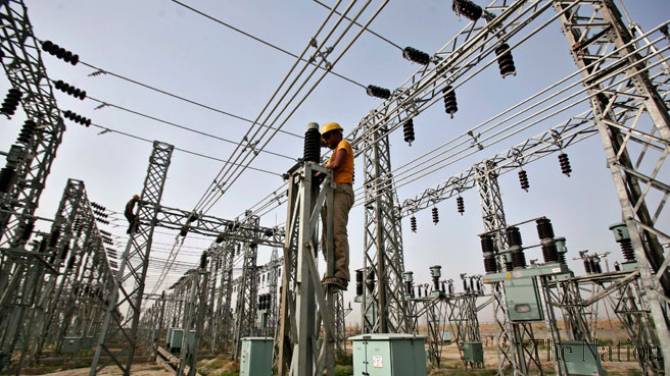
Despite Africa’s immense potential for solar and wind energy investments, the continent faces significant obstacles, including a lack of grid infrastructure and widespread poverty, which hampers many individuals’ ability to afford electricity.
The annual investment required to expand access to electricity for those currently without it is approximately $3.6 billion.
GOGLA’s latest report highlights that access to finance remains a critical barrier for the off-grid solar industry. Alarmingly, the number of people lacking access to electricity increased in 2022 for the first time in 20 years, reaching 685 million.
The majority of these individuals reside in sub-Saharan Africa, where the percentage of those without electricity has surged from 50 per cent in 2010 to 85 per cent in 2022.
GOGLA emphasizes that off-grid solar solutions are the most cost-effective means of electrification for these underserved regions but require substantial financial backing. The organization advocates for a combination of debt financing, subsidies, and equity investments to achieve the desired outcomes.
To reverse the current trend and meet the energy needs of the underserved, proactive investment and collaborative efforts will be essential.
About The Author